How to Pronounce
MamreMAM-ree
Hear the pronunciation of Mamre
Click to play audio
Old Testament Reading
The Unfolding Mystery
Edmund P. Clowney
View on Amazon →
According to Plan
Graeme Goldsworthy
View on Amazon →
Introducing the Old Testament
Tremper Longman III
View on Amazon →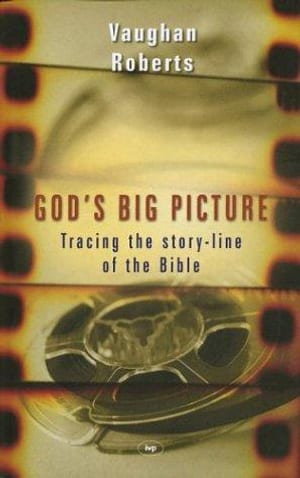
God's Big Picture
Vaughan Roberts
View on Amazon →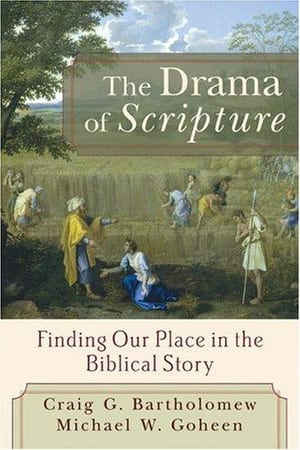
The Drama of Scripture
Bartholomew & Goheen
View on Amazon →As an Amazon Associate we earn from qualifying purchases.
Pronunciation Video
Watch on YouTube →Meaning
rebellious; bitter; set with trees
Historical Context
Mamre: Pronunciation and Biblical Significance
Getting the Mamre pronunciation right begins with understanding its structure. The word breaks into two syllables: MAM-ree, with emphasis on the first syllable. The name appears throughout Genesis and carries weight in Israel's patriarchal history, making accurate how to pronounce Mamre knowledge useful for anyone studying Abraham's life.
Etymology and Meaning
Mamre derives from Hebrew roots suggesting rebellious or bitter, though some scholars connect it to words meaning set with trees or pasture land. This dual etymology reflects the place's character—both a physical location with distinctive vegetation and a site laden with spiritual significance. The name's complexity mirrors the layered meaning Bible readers often encounter in patriarchal geography.
Where Mamre Appears in Scripture
Mamre first appears in Genesis 13:18, where Abraham settles near the oaks of Mamre after separating from Lot. The location becomes central to Abraham's story: it's where he receives the covenant promise (Genesis 17:1–22) and where he encounters three visitors—angels announcing Isaac's birth (Genesis 18:1–15). Later, when Abraham purchases the cave of Machpelah for Sarah's burial, the transaction references Mamre's proximity (Genesis 23:17–19).
The site held enough importance that Hebron itself became known as Kiriath-Arba, and the region continued to matter throughout Israel's history. Understanding Mamre pronunciation correctly helps readers follow Abraham's movements and recognize the geographical anchors of covenant narratives.
Why Mamre Matters for Bible Readers
Beyond pronouncing Mamre correctly, the location represents a threshold where heaven and earth intersected in Abraham's life. It wasn't a temple or formal sanctuary—just oaks and open ground. Yet God met Abraham there repeatedly, transforming it into sacred space. For modern Bible students, Mamre embodies how God works within ordinary landscapes and personal relationships, not only through institutional religion. Recognizing this place's role deepens appreciation for Genesis's narrative arc and Abraham's spiritual formation.
How to Read, Study & Pray
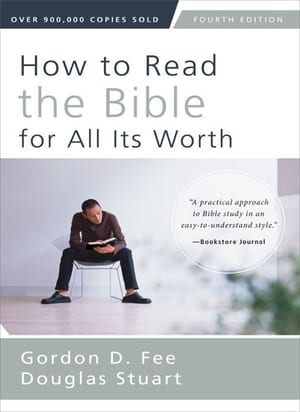
How to Read the Bible for All Its Worth
Gordon Fee & Douglas Stuart
View on Amazon →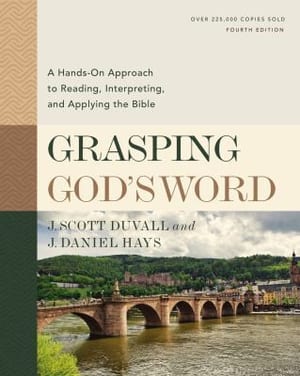
Grasping God's Word
J. Scott Duvall & J. Daniel Hays
View on Amazon →
A Praying Life
Paul E. Miller
View on Amazon →
Women of the Word
Jen Wilkin
View on Amazon →
The Bible Recap
Tara-Leigh Cobble
View on Amazon →As an Amazon Associate we earn from qualifying purchases.