How to Pronounce
MahlahMAH-lah
Hear the pronunciation of Mahlah
Click to play audio
Old Testament Reading

The Unfolding Mystery
Edmund P. Clowney
View on Amazon →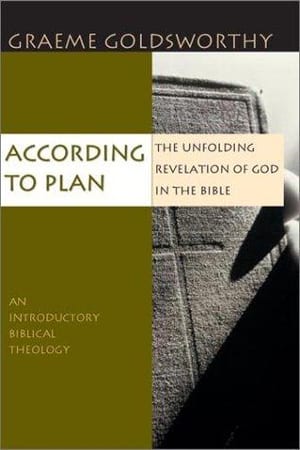
According to Plan
Graeme Goldsworthy
View on Amazon →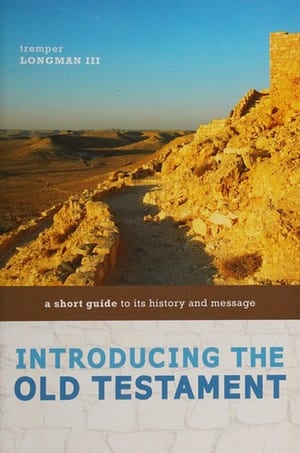
Introducing the Old Testament
Tremper Longman III
View on Amazon →
God's Big Picture
Vaughan Roberts
View on Amazon →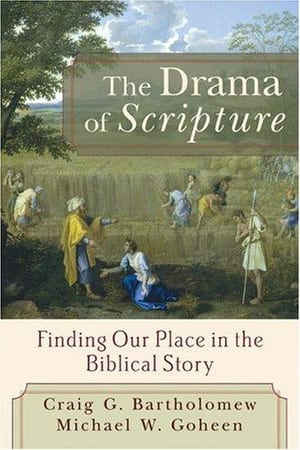
The Drama of Scripture
Bartholomew & Goheen
View on Amazon →As an Amazon Associate we earn from qualifying purchases.
Pronunciation Video
Watch on YouTube →Meaning
Mahli, Mahlon, same as Mahali, infirmity; a harp; pardon
Historical Context
Mahlah: Hebrew Origins and Meaning
Mahlah appears in Scripture as both a feminine name and a word rooted in Hebrew linguistic traditions. The name derives from the Hebrew root machalah, which carries multiple layers of meaning: infirmity or sickness, musical resonance (specifically a harp), and the concept of pardon or forgiveness. Understanding how to pronounce Mahlah correctly—MAH-lah—helps Bible students and teachers engage more authentically with the text when encountering this name.
Where Mahlah Appears in the Bible
Mahlah is primarily known as the name of one of the daughters of Zelophehad, mentioned in Numbers 26:33 and Numbers 27. These passages record a significant moment in Israelite legal history: Mahlah and her sisters—Hoglah, Milcah, Noah, and Tirzah—challenged the inheritance laws of their time. Because their father had no sons, they appealed to Moses, arguing they should receive their father's inheritance. Their case resulted in a new legal precedent that allowed daughters to inherit property when no male heirs existed.
Biblical Significance and Pronunciation
Pronouncing Mahlah correctly matters because her story illustrates how God's law could evolve to address injustice. The daughters' boldness and their success demonstrate that even within patriarchal systems, the voice of the voiceless could be heard and honored. When Bible readers encounter Mahlah in Numbers, they're not simply reading a genealogy—they're witnessing an early biblical example of legal reform driven by faithful advocacy.
The etymology of Mahlah—connecting to infirmity, music, and pardon—adds symbolic richness to her narrative. While the exact symbolic intention remains unclear, the name's associations with forgiveness resonate with the daughters' merciful treatment by the community and leadership.
Why This Matters for Bible Study
Pronouncing biblical names like Mahlah with accuracy honors the text and its cultural context. For pastors and teachers, knowing the Mahlah pronunciation and understanding her story provides an opportunity to explore themes of justice, female agency, and God's willingness to refine His laws according to equity and mercy.
How to Read, Study & Pray

How to Read the Bible for All Its Worth
Gordon Fee & Douglas Stuart
View on Amazon →
Grasping God's Word
J. Scott Duvall & J. Daniel Hays
View on Amazon →
A Praying Life
Paul E. Miller
View on Amazon →
Women of the Word
Jen Wilkin
View on Amazon →
The Bible Recap
Tara-Leigh Cobble
View on Amazon →As an Amazon Associate we earn from qualifying purchases.