How to Pronounce
MagiMAY-dzhai
Hear the pronunciation of Magi
Click to play audio
New Testament Reading
Introducing Jesus
Mark L. Strauss
View on Amazon →
Basic Christianity
John Stott
View on Amazon →
The King Jesus Gospel
Scot McKnight
View on Amazon →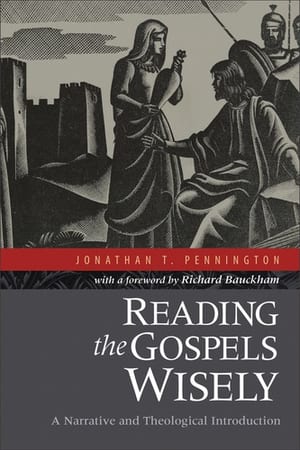
Reading the Gospels Wisely
Jonathan T. Pennington
View on Amazon →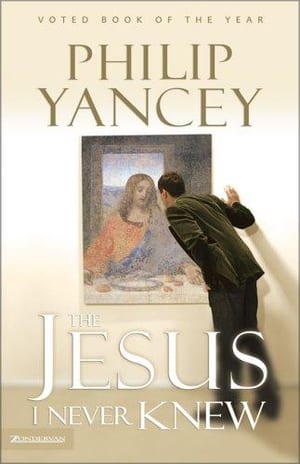
The Jesus I Never Knew
Philip Yancey
View on Amazon →As an Amazon Associate we earn from qualifying purchases.
Pronunciation Video
Watch on YouTube →Historical Context
Magi: The Wise Men of the East
The word Magi comes from the Greek magoi (μάγοι), which itself derives from Old Persian magush. Originally, the term referred to a priestly caste of Zoroastrian scholars in ancient Persia and Media who were known for their knowledge of astronomy, astrology, and the interpretation of dreams. By the time of the New Testament, "Magi" had become a broader term for learned men, wise men, and those skilled in secret knowledge.
How to Pronounce Magi Correctly
Pronouncing Magi correctly begins with understanding its Greek roots. The proper Magi pronunciation is MAY-dzhai, with the stress on the first syllable. The first part rhymes with "day," while the second syllable has a soft "j" sound like in "judge." Many English speakers mistakenly pronounce it as "MAH-jee" or "MAG-eye," but the Greek phonetics give us MAY-dzhai.
Biblical Significance and Scripture
The Magi appear most prominently in Matthew 2:1–12, where they travel from the East to Jerusalem seeking the newborn King of the Jews. Guided by a star, these wise men bring gifts of gold, frankincense, and myrrh to the infant Jesus in Bethlehem. Their arrival marks one of the most significant events in Christian tradition—the Epiphany or Adoration of the Magi.
Matthew's account emphasizes their scholarly credibility and spiritual perception. Unlike the shepherds in Luke's nativity account, the Magi represent educated, powerful figures from a foreign land who recognize Jesus's significance through their learning and observation. Their presence in the Gospel underscores the universal appeal of Christ's birth.
Why This Matters for Bible Readers
Understanding the Magi's historical and cultural background enriches how we read Matthew's Gospel. These weren't mere storytellers; they were respected scholars whose acknowledgment of Jesus carried weight in both Jewish and Gentile contexts. When pronouncing Magi correctly in study, teaching, or worship, you're honoring both the Greek text and the historical reality Matthew intended to convey. Their story remains central to Christmas theology and Christian understanding of Jesus's identity.
How to Read, Study & Pray
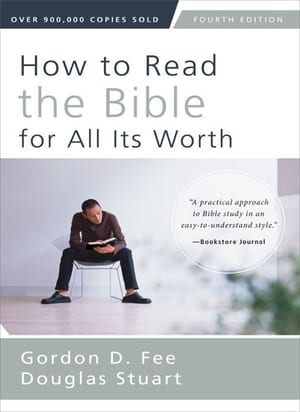
How to Read the Bible for All Its Worth
Gordon Fee & Douglas Stuart
View on Amazon →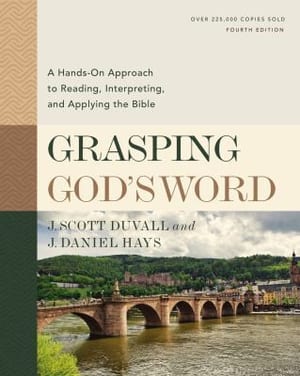
Grasping God's Word
J. Scott Duvall & J. Daniel Hays
View on Amazon →
A Praying Life
Paul E. Miller
View on Amazon →
Women of the Word
Jen Wilkin
View on Amazon →
The Bible Recap
Tara-Leigh Cobble
View on Amazon →As an Amazon Associate we earn from qualifying purchases.