How to Pronounce
Laudlawd
Hear the pronunciation of Laud
Click to play audio
New Testament Reading
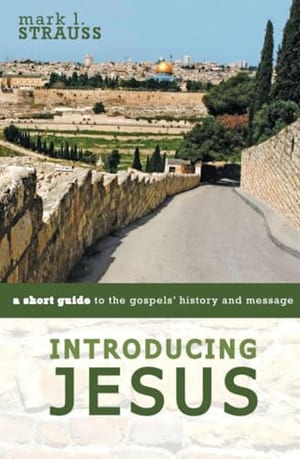
Introducing Jesus
Mark L. Strauss
View on Amazon →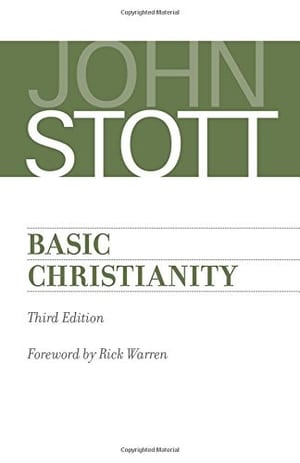
Basic Christianity
John Stott
View on Amazon →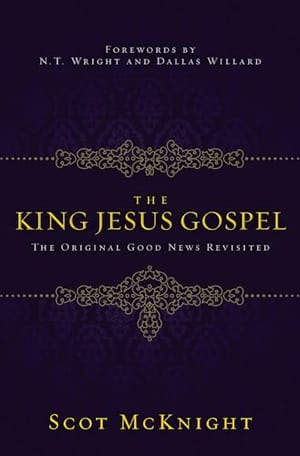
The King Jesus Gospel
Scot McKnight
View on Amazon →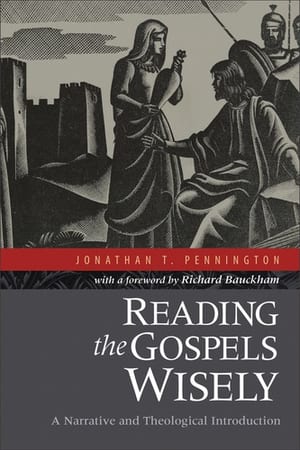
Reading the Gospels Wisely
Jonathan T. Pennington
View on Amazon →
The Jesus I Never Knew
Philip Yancey
View on Amazon →As an Amazon Associate we earn from qualifying purchases.
Pronunciation Video
Watch on YouTube →Meaning
How to pronounce Laud correctly requires understanding both its phonetic form and its context in Scripture. The word is pronounced lawd—rhyming with "applaud"—and carries a weight of meaning that extends from Latin roots deep into Christian tradition.
Historical Context
Laud: Pronunciation and Biblical Meaning
How to pronounce Laud correctly requires understanding both its phonetic form and its context in Scripture. The word is pronounced lawd—rhyming with "applaud"—and carries a weight of meaning that extends from Latin roots deep into Christian tradition.
Etymology and Original Language
The English word "laud" derives from the Latin laudare, meaning "to praise" or "to extol." When pronouncing Laud in biblical contexts, you're essentially speaking a word shaped by centuries of ecclesiastical Latin. The term entered English primarily through the Vulgate and medieval Christian writings, though it doesn't appear as a standalone word in the original Hebrew or Greek texts of Scripture. Instead, translators and theologians adopted "laud" to capture the spirit of praise terminology found throughout the Psalms and New Testament.
Laud Pronunciation in Scripture and Worship
While "laud" itself isn't found in most English Bible translations, the concept is woven throughout Scripture. The Psalms overflow with calls to praise God—concepts that English speakers might express using "laud." In Christian liturgy, particularly in the Catholic tradition, Lauds (the plural form) refers to one of the canonical hours of prayer, recited in the early morning. Understanding how to pronounce Laud correctly matters for anyone studying liturgical history or engaging with traditional Christian prayer practices.
Why This Word Matters for Bible Readers
Pronouncing Laud accurately helps readers engage with broader Christian vocabulary and historical texts. Pastors and teachers who reference medieval biblical scholarship or liturgical traditions benefit from mastering this term. The word embodies an important theological concept: the active, intentional praise of God that goes beyond mere acknowledgment. When you're pronouncing Laud in academic or devotional settings, you're speaking a word that connects modern Bible study to centuries of Christian tradition.
For those studying biblical languages and their English translations, recognizing where "laud" appears in theological writing—even if not in Scripture itself—enriches comprehension of how Christian thought has developed and how praise is understood across different traditions.
How to Read, Study & Pray

How to Read the Bible for All Its Worth
Gordon Fee & Douglas Stuart
View on Amazon →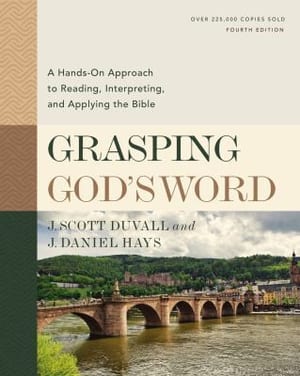
Grasping God's Word
J. Scott Duvall & J. Daniel Hays
View on Amazon →
A Praying Life
Paul E. Miller
View on Amazon →
Women of the Word
Jen Wilkin
View on Amazon →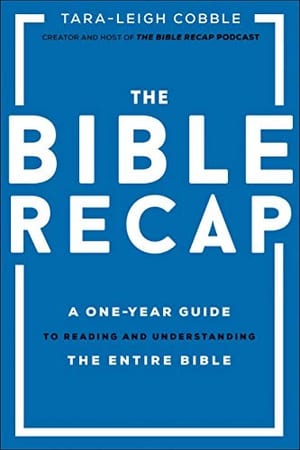
The Bible Recap
Tara-Leigh Cobble
View on Amazon →As an Amazon Associate we earn from qualifying purchases.