How to Pronounce
Lamentationslam-ehn-TAY-shuhnz
Hear the pronunciation of Lamentations
Click to play audio
Commentaries on This Book
The Message of Lamentations
Christopher J. H. Wright
View on Amazon →
Jeremiah and Lamentations (Tyndale Old Testament Commentaries)
Hetty Lalleman
View on Amazon →
Jeremiah and Lamentations: From Sorrow to Hope (Preaching the Word)
Philip Graham Ryken
View on Amazon →As an Amazon Associate we earn from qualifying purchases.
Pronunciation Video
Watch on YouTube →Historical Context
Lamentations: A Name Born from Grief
The book of Lamentations carries a name that perfectly captures its content. To understand how to pronounce Lamentations correctly—lam-ehn-TAY-shuhnz—it helps to know what the word actually means. The English title comes from the Latin lamentatio, which derives from lamentari, meaning "to wail" or "to mourn." The Hebrew Bible knows this book by a different name: Eikhah, which opens the text with the word meaning "how" or "alas"—a cry of anguish that sets the emotional tone immediately.
What Makes Lamentations Unique
Lamentations is one of the Bible's most distinctive books because it's structured as five separate poems, each one a lament. Unlike prophetic books that call people to repentance or promise future restoration, Lamentations sits with the reader in raw sorrow. Written in the aftermath of Jerusalem's destruction in 586 BCE by the Babylonians, these poems express corporate grief—the collective mourning of a nation devastated by war, exile, and loss.
When pronouncing Lamentations correctly in study or teaching contexts, emphasize that final stressed syllable: TAY. The word itself becomes almost onomatopoetic for Bible readers—its sound mirrors the weeping it describes.
Biblical Significance and Location
You'll find the book of Lamentations in most English Bibles positioned between Jeremiah and Ezekiel, though in the Hebrew Bible it appears in the Writings section. The five chapters correspond to the five poems, each exploring different dimensions of Jerusalem's fall: the city's desolation, God's anger, the people's suffering, a desperate prayer for restoration, and a final plea for divine mercy.
For pastors and Bible teachers, understanding Lamentations pronunciation matters because this book appears in liturgical settings, particularly during seasons emphasizing repentance or acknowledging suffering. Lamentations reminds modern readers that grief and faith aren't opposites—even in deepest despair, the biblical writers address God, maintaining relationship even while questioning.
The Lamentations pronunciation guide—lam-ehn-TAY-shuhnz—opens the door to one of Scripture's most honest and emotionally powerful voices.
How to Read, Study & Pray

How to Read the Bible for All Its Worth
Gordon Fee & Douglas Stuart
View on Amazon →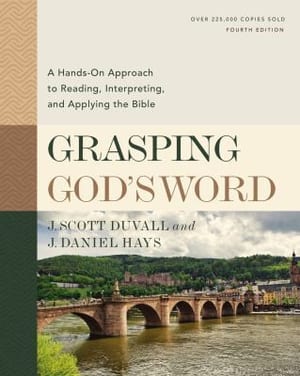
Grasping God's Word
J. Scott Duvall & J. Daniel Hays
View on Amazon →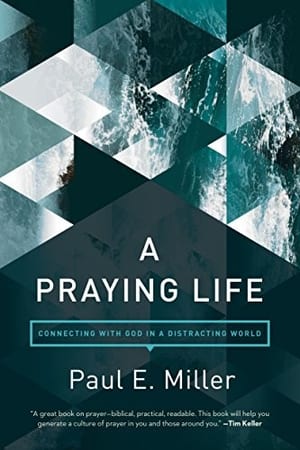
A Praying Life
Paul E. Miller
View on Amazon →
Women of the Word
Jen Wilkin
View on Amazon →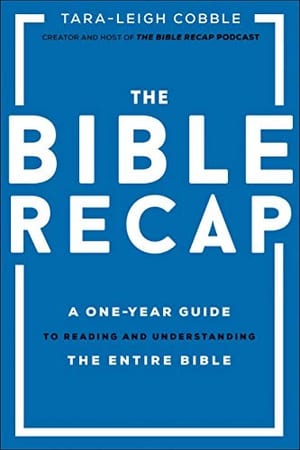
The Bible Recap
Tara-Leigh Cobble
View on Amazon →As an Amazon Associate we earn from qualifying purchases.