How to Pronounce
Philippifih-LIHP-ai
Hear the pronunciation of Philippi
Click to play audio
New Testament Reading
Introducing Jesus
Mark L. Strauss
View on Amazon →
Basic Christianity
John Stott
View on Amazon →
The King Jesus Gospel
Scot McKnight
View on Amazon →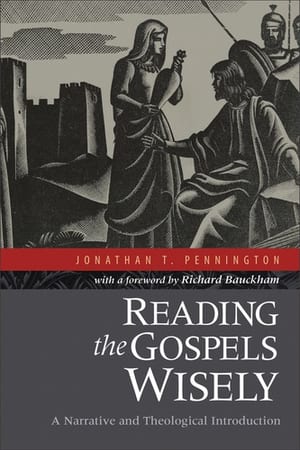
Reading the Gospels Wisely
Jonathan T. Pennington
View on Amazon →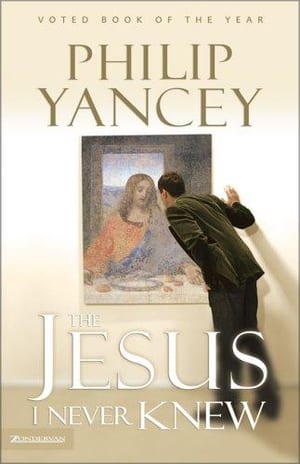
The Jesus I Never Knew
Philip Yancey
View on Amazon →As an Amazon Associate we earn from qualifying purchases.
Pronunciation Video
Watch on YouTube →Meaning
same as Philip, in the plural, warlike; lovers of horses
Historical Context
Philippi: City of the Philippians
Philippi takes its name from Philip II of Macedon, the father of Alexander the Great. The city was founded around 356 BC and named in his honor. When pronouncing Philippi correctly, you'll say fih-LIHP-ai — the emphasis falls on that second syllable. The name itself carries the same meaning as its root: Philip, which means "lover of horses" or "warlike," reflecting the martial culture of ancient Macedonia.
A Strategic Macedonian Settlement
Philippi was far more than a provincial backwater. It sat at a crucial crossroads in northern Greece, controlling trade routes and serving as a military stronghold. When Rome conquered Macedonia, Philippi became a Roman colony — a significant honor that granted its inhabitants Roman citizenship and special privileges. This status matters tremendously for understanding the New Testament accounts that mention it.
Why Philippi Matters to Bible Readers
The city appears most prominently in Acts 16, where Paul and Silas arrive as missionaries. This marks the first time the gospel reached Europe. Paul's vision of a Macedonian man calling for help (Acts 16:9) led him to Philippi, where he encountered Lydia, a wealthy merchant, and later the demon-possessed slave girl. The apostles were imprisoned there, experienced an earthquake, and saw the Philippian jailer and his household converted to faith.
Beyond Acts, how to pronounce Philippi correctly becomes relevant when reading Philippians, Paul's epistle to the church he established there. This letter, written from prison, overflows with joy and practical wisdom about Christian living. The Philippian church became one of Paul's most beloved and generous congregations, supporting his missionary work repeatedly.
The Legacy
Pronouncing Philippi accurately reflects respect for the historical and spiritual significance of this city. Its ruins in modern Greece still stand, reminding visitors of the place where Christianity's European expansion began. For pastors and Bible students, understanding Philippi's cultural context — as a Roman colony with proud Macedonian heritage — enriches our reading of both Acts and Philippians.
How to Read, Study & Pray

How to Read the Bible for All Its Worth
Gordon Fee & Douglas Stuart
View on Amazon →
Grasping God's Word
J. Scott Duvall & J. Daniel Hays
View on Amazon →
A Praying Life
Paul E. Miller
View on Amazon →
Women of the Word
Jen Wilkin
View on Amazon →
The Bible Recap
Tara-Leigh Cobble
View on Amazon →As an Amazon Associate we earn from qualifying purchases.