How to Pronounce
MeneMEE-nee
Hear the pronunciation of Mene
Click to play audio
Old Testament Reading

The Unfolding Mystery
Edmund P. Clowney
View on Amazon →
According to Plan
Graeme Goldsworthy
View on Amazon →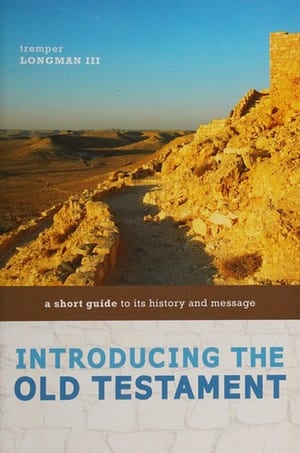
Introducing the Old Testament
Tremper Longman III
View on Amazon →
God's Big Picture
Vaughan Roberts
View on Amazon →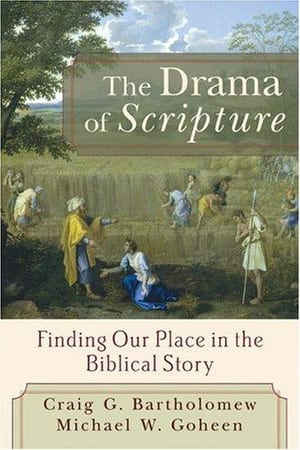
The Drama of Scripture
Bartholomew & Goheen
View on Amazon →As an Amazon Associate we earn from qualifying purchases.
Pronunciation Video
Watch on YouTube →Meaning
who reckons or is counted
Historical Context
Mene: The Word Written on the Wall
The Aramaic word Mene (MEE-nee) carries profound weight in biblical narrative, particularly in one of Scripture's most dramatic moments. Understanding how to pronounce Mene correctly opens the door to appreciating the wordplay and judgment embedded in Daniel's famous vision.
Etymology and Original Language
Mene derives from Aramaic and means "who reckons" or "is counted." The word is rooted in the concept of numbering, weighing, or accounting—suggesting divine evaluation and judgment. This linguistic foundation proves crucial to interpreting its appearance in Scripture.
The Writing on the Wall
Mene appears in Daniel 5, during King Belshazzar's infamous feast. A mysterious hand writes three Aramaic words on the palace wall: Mene, Mene, Tekel, Upharsin. When Daniel interprets the message, he explains that Mene means God has "numbered" the king's kingdom and brought it to an end. The repetition of Mene emphasizes the certainty and finality of God's judgment.
This passage demonstrates why pronouncing Mene correctly matters—the repetition creates rhythmic power in the original language that English translations sometimes flatten. Hearing "MEE-nee, MEE-nee" captures the insistent, inescapable nature of divine accounting.
Why This Matters for Bible Readers
The Mene pronunciation and its meaning reveal theological depth often missed in casual reading. The three words form an acrostic judgment: numbered (Mene), weighed (Tekel), and divided (Upharsin). Together, they announce Babylon's fall—a fulfillment of God's sovereignty over earthly kingdoms.
For pastors and teachers, understanding how to pronounce Mene correctly helps convey the gravity of the moment to congregations. The word embodies a universal principle: God keeps account of all things, and human pride cannot escape divine reckoning.
Modern readers benefit from recognizing that Mene pronunciation and meaning connect to broader biblical themes of accountability, divine judgment, and the transience of human power. Whether you're preparing a sermon on Daniel 5 or simply deepening your biblical literacy, mastering Mene enriches your grasp of Scripture's most memorable judgment narrative.
How to Read, Study & Pray

How to Read the Bible for All Its Worth
Gordon Fee & Douglas Stuart
View on Amazon →
Grasping God's Word
J. Scott Duvall & J. Daniel Hays
View on Amazon →
A Praying Life
Paul E. Miller
View on Amazon →
Women of the Word
Jen Wilkin
View on Amazon →
The Bible Recap
Tara-Leigh Cobble
View on Amazon →As an Amazon Associate we earn from qualifying purchases.