How to Pronounce
MedadMEE-dad
Hear the pronunciation of Medad
Click to play audio
Old Testament Reading

The Unfolding Mystery
Edmund P. Clowney
View on Amazon →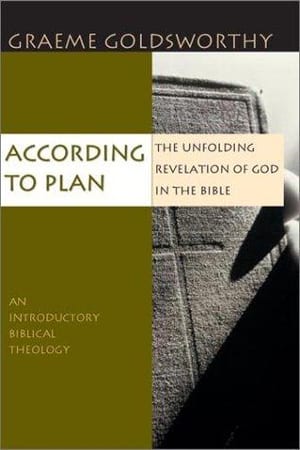
According to Plan
Graeme Goldsworthy
View on Amazon →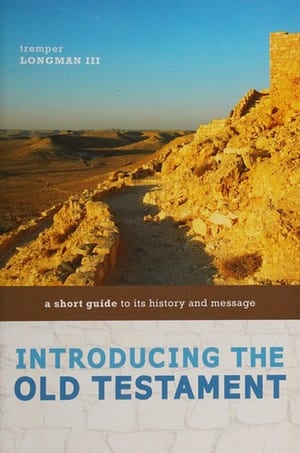
Introducing the Old Testament
Tremper Longman III
View on Amazon →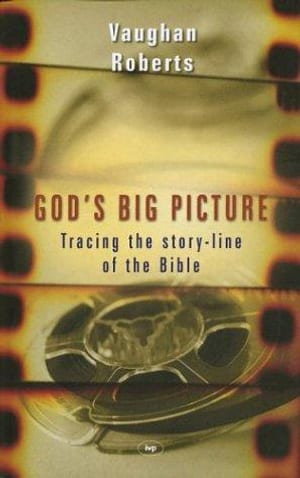
God's Big Picture
Vaughan Roberts
View on Amazon →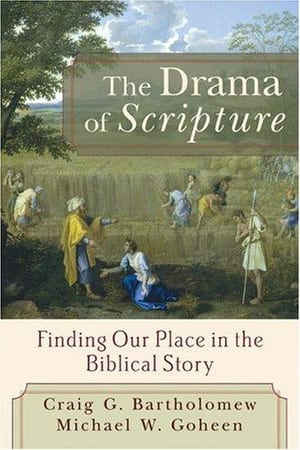
The Drama of Scripture
Bartholomew & Goheen
View on Amazon →As an Amazon Associate we earn from qualifying purchases.
Pronunciation Video
Watch on YouTube →Meaning
he that measures; water of love
Historical Context
Medad: The Man Who Prophesied Outside the Camp
Understanding how to pronounce Medad correctly begins with breaking down the name into two syllables: MEE-dad. The name derives from Hebrew origins, carrying the meaning "he that measures" or alternatively "water of love"—both interpretations reflecting deeper spiritual significance for those who study biblical nomenclature.
Etymology and Meaning
The Hebrew root of Medad relates to measurement and proportion, suggesting someone who weighs or determines. Some scholars connect the name to concepts of divine measurement or evaluation, while other traditions emphasize the "water of love" interpretation, pointing to refreshment and God's grace. When pronouncing Medad correctly, the stress falls on the first syllable, making it distinctly different from similar biblical names.
Biblical Significance and Scripture Reference
Medad appears in Numbers 11:26–27, a passage that reveals much about his character and role. He and Eldad were two of seventy elders chosen by Moses to help bear the burden of leading Israel. While the other sixty-eight elders gathered at the Tabernacle to receive the Spirit and prophesy, Eldad and Medad remained in the camp—yet the Spirit fell upon them there, and they prophesied among the people.
This moment sparked concern among observers. Joshua, Moses' young assistant, urged Moses to stop them from prophesying, viewing it as a breach of protocol. Moses' response was remarkable: "Would that all the Lord's people were prophets, that the Lord would put his Spirit upon them!" (Numbers 11:29). Moses recognized that God's Spirit moves according to divine will, not human boundaries.
Why Medad Matters for Bible Readers
The Medad pronunciation and his story often get overlooked, yet they carry profound lessons about God's sovereignty and the democratization of spiritual gifts. Medad's presence in Scripture reminds us that God's work isn't confined to official channels or expected locations. His willingness to prophesy outside conventional settings—and Moses' affirmation of it—demonstrates that authentic spiritual authority comes from God's Spirit, not institutional position. For modern Bible students, Medad exemplifies how God works through unexpected people in unexpected places.
How to Read, Study & Pray

How to Read the Bible for All Its Worth
Gordon Fee & Douglas Stuart
View on Amazon →
Grasping God's Word
J. Scott Duvall & J. Daniel Hays
View on Amazon →
A Praying Life
Paul E. Miller
View on Amazon →
Women of the Word
Jen Wilkin
View on Amazon →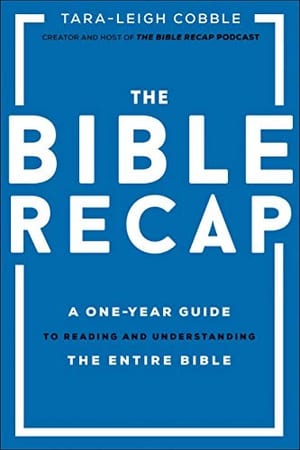
The Bible Recap
Tara-Leigh Cobble
View on Amazon →As an Amazon Associate we earn from qualifying purchases.