How to Pronounce
EvangelisteeVAN-dzhuh-lihst
Hear the pronunciation of Evangelist
Click to play audio
New Testament Reading

Introducing Jesus
Mark L. Strauss
View on Amazon →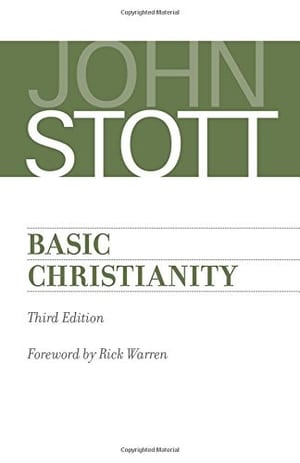
Basic Christianity
John Stott
View on Amazon →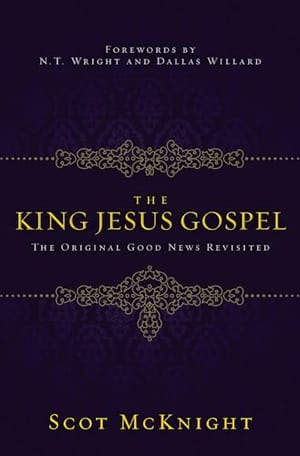
The King Jesus Gospel
Scot McKnight
View on Amazon →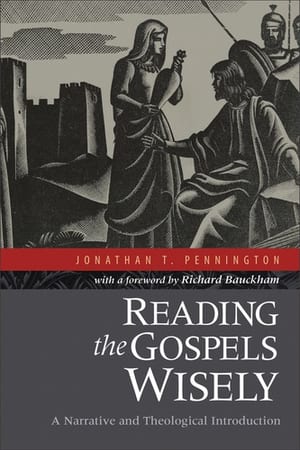
Reading the Gospels Wisely
Jonathan T. Pennington
View on Amazon →
The Jesus I Never Knew
Philip Yancey
View on Amazon →As an Amazon Associate we earn from qualifying purchases.
Pronunciation Video
Watch on YouTube →Meaning
The word evangelist (pronounced eeVAN-dzhuh-lihst) comes directly from the Greek euangelistes, meaning "one who brings good news." Breaking this down further, eu means "good" and angelos means "messenger" or "angel"—so an evangelist is literally a messenger of good tidings. Understanding the Evangelist pronunciation and its Greek roots helps unlock why this role was so vital in the early church.
Historical Context
Evangelist: Pronunciation & Biblical Meaning
The word evangelist (pronounced eeVAN-dzhuh-lihst) comes directly from the Greek euangelistes, meaning "one who brings good news." Breaking this down further, eu means "good" and angelos means "messenger" or "angel"—so an evangelist is literally a messenger of good tidings. Understanding the Evangelist pronunciation and its Greek roots helps unlock why this role was so vital in the early church.
Where Evangelist Appears in Scripture
The term appears relatively rarely in the New Testament, most notably in Ephesians 4:11, where Paul lists the gifts Christ gave to the church: "And he gave some, apostles; and some, prophets; and some, evangelists; and some, pastors and teachers." The evangelist is presented as a distinct spiritual office, separate from apostles and pastors.
We also see the title applied directly in Acts 21:8, where Philip is called "Philip the evangelist." Earlier in Acts, Philip demonstrates the evangelist's core function: proclaiming Christ to both Jews and Samaritans, witnessing signs and wonders, and seeing people respond to the gospel message.
Why Pronouncing Evangelist Correctly Matters
Getting the Evangelist pronunciation right—eeVAN-dzhuh-lihst—matters because this word describes a foundational ministry role. Unlike apostles (who were typically the Twelve or Paul), evangelists weren't necessarily eyewitnesses of Christ's resurrection. Instead, they were gifted communicators sent to proclaim the gospel message and plant churches in new regions.
For Bible students and teachers, understanding what an evangelist does biblically is crucial. They weren't theologians writing doctrine; they were mobilized proclaimers taking the good news where it hadn't been heard. This distinction shapes how we read Acts and understand early church expansion.
Whether you're leading a Bible study, preaching, or simply reading through the New Testament, pronouncing Evangelist correctly and grasping its meaning enriches your understanding of how God distributed gifts to build His church.
How to Read, Study & Pray

How to Read the Bible for All Its Worth
Gordon Fee & Douglas Stuart
View on Amazon →
Grasping God's Word
J. Scott Duvall & J. Daniel Hays
View on Amazon →
A Praying Life
Paul E. Miller
View on Amazon →
Women of the Word
Jen Wilkin
View on Amazon →
The Bible Recap
Tara-Leigh Cobble
View on Amazon →As an Amazon Associate we earn from qualifying purchases.