How to Pronounce
Ebenezereh-behn-EE-zer
Hear the pronunciation of Ebenezer
Click to play audio
New Testament Reading

Introducing Jesus
Mark L. Strauss
View on Amazon →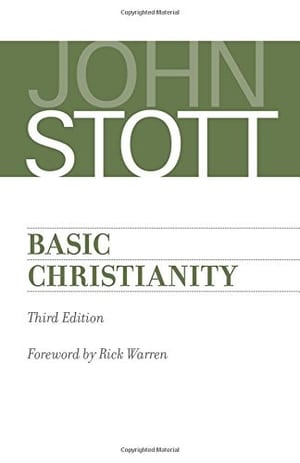
Basic Christianity
John Stott
View on Amazon →
The King Jesus Gospel
Scot McKnight
View on Amazon →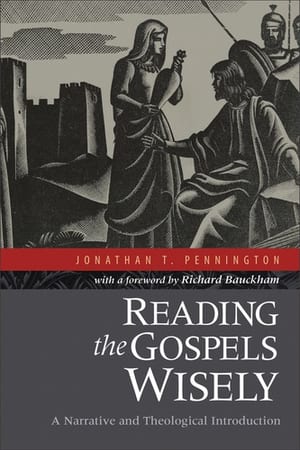
Reading the Gospels Wisely
Jonathan T. Pennington
View on Amazon →
The Jesus I Never Knew
Philip Yancey
View on Amazon →As an Amazon Associate we earn from qualifying purchases.
Pronunciation Video
Watch on YouTube →Historical Context
Ebenezer: A Stone of Help and Remembrance
The word Ebenezer carries profound spiritual weight in Scripture, and learning how to pronounce Ebenezer correctly—eh-behn-EE-zer—helps pastors and Bible teachers communicate this meaningful term with confidence.
Hebrew Origin and Meaning
Ebenezer comes from Hebrew: eben (stone) and ezer (help). Pronounced literally, it means "stone of help." This straightforward etymology reveals the symbolic power behind the name—a physical monument commemorating God's intervention and faithfulness. Understanding the Ebenezer pronunciation and its literal translation opens up deeper layers of meaning in the biblical narrative.
Where Ebenezer Appears in Scripture
The most significant appearance of Ebenezer occurs in 1 Samuel 7:12, where the prophet Samuel sets up a stone after Israel's victory over the Philistines. Samuel names this memorial stone Ebenezer, declaring: "Thus far the Lord has helped us." This act of naming commemorates God's deliverance and serves as a permanent reminder for future generations.
The name also appears in 1 Samuel 4:1 and 5:1, where Ebenezer is referenced as a geographic location—a place associated with both Israel's defeat and subsequent restoration.
Why Ebenezer Matters for Bible Readers
Ebenezer represents more than a historical monument; it embodies a spiritual principle. In ancient Israel, stones served as witnesses and reminders of covenant moments. By setting up this stone, Samuel created a tangible way for the people to remember God's faithfulness. Whenever they passed the stone or heard its name, they would recall divine help in their darkest hour.
This concept resonates throughout Christian tradition. Many hymns reference Ebenezer, most famously Robert Robinson's "Come, Thou Fount of Every Blessing," which includes the line: "Here I raise my Ebenezer." Pronouncing Ebenezer correctly allows Bible students to appreciate both the historical and devotional significance of this term.
For modern readers, Ebenezer invites reflection: What "stones" mark God's help in our own lives? How do we remember and commemorate His faithfulness?
How to Read, Study & Pray

How to Read the Bible for All Its Worth
Gordon Fee & Douglas Stuart
View on Amazon →
Grasping God's Word
J. Scott Duvall & J. Daniel Hays
View on Amazon →
A Praying Life
Paul E. Miller
View on Amazon →
Women of the Word
Jen Wilkin
View on Amazon →
The Bible Recap
Tara-Leigh Cobble
View on Amazon →As an Amazon Associate we earn from qualifying purchases.