How to Pronounce
Ephesianseh-FEE-zhuhnz
Hear the pronunciation of Ephesians
Click to play audio
Commentaries on This Book
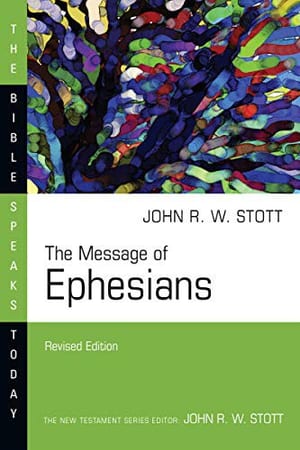
The Message of Ephesians
John Stott
View on Amazon →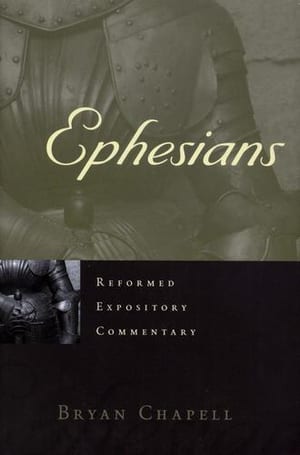
Ephesians (Reformed Expository Commentary)
Bryan Chapell
View on Amazon →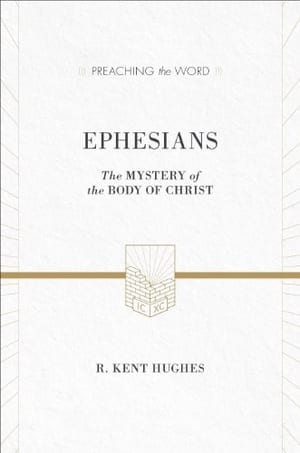
Ephesians: The Mystery of the Body of Christ (Preaching the Word)
R. Kent Hughes
View on Amazon →As an Amazon Associate we earn from qualifying purchases.
Pronunciation Video
Watch on YouTube →Meaning
The proper way to pronounce Ephesians is eh-FEE-zhuhnz. This Greek-derived name appears throughout the New Testament and refers both to the people of Ephesus and to Paul's epistle written to the church there.
Historical Context
Ephesians: Pronunciation and Biblical Meaning
The proper way to pronounce Ephesians is eh-FEE-zhuhnz. This Greek-derived name appears throughout the New Testament and refers both to the people of Ephesus and to Paul's epistle written to the church there.
Etymology and Original Language
The word "Ephesians" comes from Ephesos (Ἔφεσος), the ancient Greek city located in what is now western Turkey. The suffix "-ians" simply denotes the inhabitants or people of that place. In Greek, these residents would be called Ephesioi, meaning "those from Ephesus." The city's name itself likely derives from older Anatolian roots, though its exact origin remains debated among scholars.
Biblical Significance and Location
Pronouncing Ephesians correctly becomes important when studying Paul's Letter to the Ephesians, found at Ephesians 1:1 in the New Testament. This epistle is one of Paul's most theologically rich writings, addressing the church community Paul had established during his missionary work in Ephesus (documented in Acts 19). The letter emphasizes themes of unity, spiritual warfare, and the mystery of Christ revealed to the Gentiles.
Ephesus itself was no ordinary city—it was a major commercial and religious hub in the Roman Empire, home to the famous Temple of Artemis, one of the Seven Wonders of the Ancient World. When Paul spent nearly three years there, the gospel message directly challenged the city's pagan religious practices.
Why This Matters for Bible Readers
Understanding Ephesians pronunciation helps Bible students engage more confidently in discussions, teaching, and group study. The book of Ephesians contains some of Scripture's most profound passages on grace, redemption, and the church as Christ's body. When you're pronouncing Ephesians correctly in conversation, you're also signaling familiarity with this crucial New Testament text.
Whether you're preparing a sermon, leading a Bible study, or simply diving into Paul's theology, getting the pronunciation right demonstrates respect for the text and its historical context. Remember: eh-FEE-zhuhnz.
How to Read, Study & Pray

How to Read the Bible for All Its Worth
Gordon Fee & Douglas Stuart
View on Amazon →
Grasping God's Word
J. Scott Duvall & J. Daniel Hays
View on Amazon →
A Praying Life
Paul E. Miller
View on Amazon →
Women of the Word
Jen Wilkin
View on Amazon →
The Bible Recap
Tara-Leigh Cobble
View on Amazon →As an Amazon Associate we earn from qualifying purchases.