How to Pronounce
Emmanueleh-MAN-yoo-ehl
Hear the pronunciation of Emmanuel
Click to play audio
New Testament Reading

Introducing Jesus
Mark L. Strauss
View on Amazon →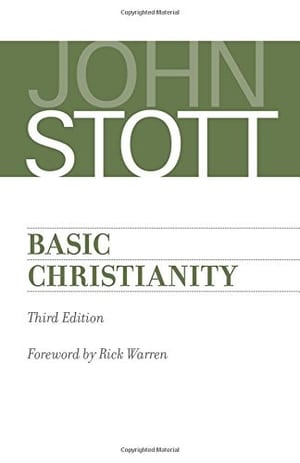
Basic Christianity
John Stott
View on Amazon →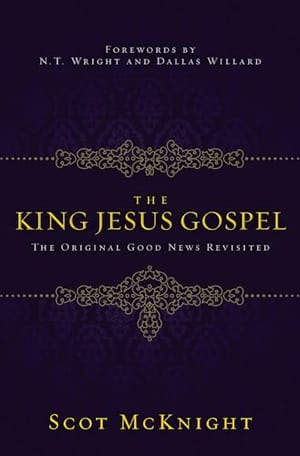
The King Jesus Gospel
Scot McKnight
View on Amazon →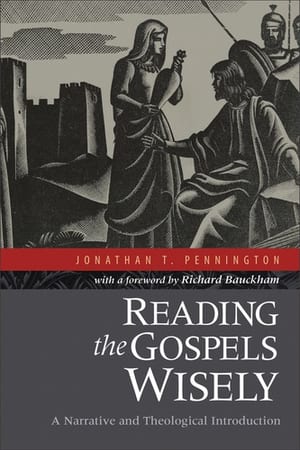
Reading the Gospels Wisely
Jonathan T. Pennington
View on Amazon →
The Jesus I Never Knew
Philip Yancey
View on Amazon →As an Amazon Associate we earn from qualifying purchases.
Pronunciation Video
Watch on YouTube →Meaning
God with us
Historical Context
Emmanuel: God With Us
The name Emmanuel carries one of Scripture's most profound promises. Understanding how to pronounce Emmanuel correctly—eh-MAN-yoo-ehl—is just the beginning; grasping its meaning unlocks a central theme of biblical faith.
Etymology and Original Language
Emmanuel comes from Hebrew Immanuel (עִמָּנוּאֵל), a compound of two words: im (with) and El (God). The name literally means "God with us." When pronouncing Emmanuel, emphasize the second syllable: eh-MAN-yoo-ehl. This straightforward etymology belies the name's revolutionary significance for believers throughout history.
Where Scripture Uses This Name
The most famous reference appears in Matthew 1:23, where Matthew quotes the prophet Isaiah. In Isaiah 7:14, the prophet declares that a virgin will conceive and bear a son called Emmanuel. Matthew applies this prophecy directly to Jesus's birth, presenting Jesus as God's fulfillment of this messianic promise. This connection between the Old Testament prophecy and New Testament fulfillment makes Emmanuel pronunciation and understanding essential for Bible students studying Christology.
Why Emmanuel Matters
For readers studying Scripture, Emmanuel represents far more than a name—it's a theological statement. The promise isn't simply that God exists or that He loves humanity from a distance. Rather, Emmanuel declares that God dwells with His people. This fundamentally distinguishes Christianity from abstract religion.
The name reassures believers that God is not remote or indifferent. In Jesus, God entered human history, experienced human limitations, and suffered alongside humanity. When you encounter Emmanuel in your Bible reading, you're encountering the promise of divine presence and solidarity.
Practical Application
Whether you're preparing a sermon, leading a Bible study, or simply reading through Matthew's Gospel, correctly pronouncing Emmanuel—eh-MAN-yoo-ehl—honors the name's significance. More importantly, meditating on its meaning transforms how we understand God's relationship with us. Emmanuel reminds us that faith isn't about distant doctrine but about intimate relationship with the God who chose to be with us.
How to Read, Study & Pray

How to Read the Bible for All Its Worth
Gordon Fee & Douglas Stuart
View on Amazon →
Grasping God's Word
J. Scott Duvall & J. Daniel Hays
View on Amazon →
A Praying Life
Paul E. Miller
View on Amazon →
Women of the Word
Jen Wilkin
View on Amazon →
The Bible Recap
Tara-Leigh Cobble
View on Amazon →As an Amazon Associate we earn from qualifying purchases.