How to Pronounce
TishbeTIHSH-bee
Hear the pronunciation of Tishbe
Click to play audio
Old Testament Reading
The Unfolding Mystery
Edmund P. Clowney
View on Amazon →
According to Plan
Graeme Goldsworthy
View on Amazon →
Introducing the Old Testament
Tremper Longman III
View on Amazon →
God's Big Picture
Vaughan Roberts
View on Amazon →
The Drama of Scripture
Bartholomew & Goheen
View on Amazon →As an Amazon Associate we earn from qualifying purchases.
Pronunciation Video
Watch on YouTube →Historical Context
Tishbe: Pronunciation and Biblical Significance
The correct way to pronounce Tishbe is TIHSH-bee, with the emphasis on the first syllable. While not a household name in most Bible studies, learning how to pronounce Tishbe correctly matters because it identifies one of the most important geographical references in the Old Testament—the hometown of the prophet Elijah.
Etymology and Original Language
Tishbe comes from Hebrew origins, though the exact etymological root remains debated among scholars. The name likely derives from a root meaning "sojourner" or "inhabitant," reflecting its function as a settlement. The place name appears in Hebrew as Tishbeh (תִשְׁבֶה), and pronouncing Tishbe with attention to its Hebrew roots helps readers understand the landscape of ancient Israel.
Where Tishbe Appears in Scripture
Tishbe is mentioned primarily in 1 Kings, where it serves as the birthplace and origin point of Elijah the prophet. In 1 Kings 17:1, Elijah is introduced as "Elijah the Tishbite, from Tishbe of Gilead." This single reference establishes Tishbe's biblical importance—it's the only name we're given for Elijah's hometown, making it his defining geographical marker throughout his prophetic ministry.
Why This Matters for Bible Readers
Understanding Tishbe's location and significance enriches your reading of Elijah's narrative. Tishbe was situated in Gilead, east of the Jordan River, in a region known for its rugged terrain and isolation. This geographical detail isn't incidental—it helps explain why Elijah, a man called to confront kings and challenge religious corruption in Israel, came from the margins of settled society. When you encounter references to the Tishbite in scripture, you're connecting Elijah to this specific place of origin.
For pastors and teachers, pronouncing Tishbe correctly and knowing its background allows for richer exposition of Elijah's character and calling. The prophet's outsider status—emphasized by his geographical origin—mirrors his role as God's voice against the religious establishment of his time.
How to Read, Study & Pray

How to Read the Bible for All Its Worth
Gordon Fee & Douglas Stuart
View on Amazon →
Grasping God's Word
J. Scott Duvall & J. Daniel Hays
View on Amazon →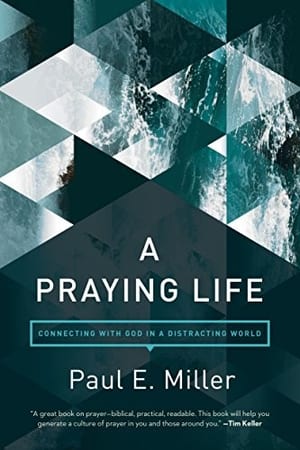
A Praying Life
Paul E. Miller
View on Amazon →
Women of the Word
Jen Wilkin
View on Amazon →
The Bible Recap
Tara-Leigh Cobble
View on Amazon →As an Amazon Associate we earn from qualifying purchases.