How to Pronounce
Thessalonianstheh-suh-LO-nih-uhnz
Hear the pronunciation of Thessalonians
Click to play audio
Commentaries on This Book
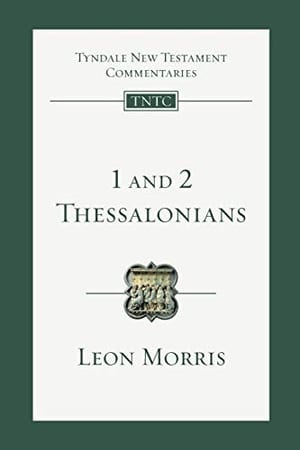
1 and 2 Thessalonians (Tyndale New Testament Commentaries)
Leon Morris
View on Amazon →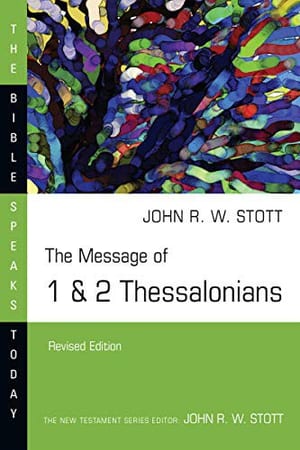
The Message of 1 & 2 Thessalonians
John Stott
View on Amazon →
1 & 2 Thessalonians For You
Ligon Duncan
View on Amazon →As an Amazon Associate we earn from qualifying purchases.
Pronunciation Video
Watch on YouTube →Historical Context
Thessalonians: A City and Its Letters
Thessalonians refers to the people of Thessalonica, an ancient city in northern Greece. The name appears prominently in the New Testament as the title of two epistles written by the Apostle Paul. Understanding how to pronounce Thessalonians correctly—theh-suh-LO-nih-uhnz—helps Bible readers engage more confidently with these important letters.
Etymology and Original Language
The word derives from Thessalonica, a Greek city founded around 315 BCE by Cassander, a Macedonian general. The city was named after Thessalonica, the half-sister of Alexander the Great. In Greek, the inhabitants were called Thessalonikeis (Θεσσαλονικεῖς). The English term "Thessalonians" is a direct transliteration of this Greek designation, referring to the Christian community Paul established there.
Biblical Significance and Scripture References
Paul's letters to the Thessalonians appear in 1 Thessalonians and 2 Thessalonians, positioned in the New Testament after 2 Corinthians. These epistles were likely written around 50–51 CE during Paul's second missionary journey, making them among his earliest written works. In Acts 17:1–9, Luke describes Paul's initial visit to Thessalonica, where he preached in the synagogue and established the church.
The significance of these letters cannot be overstated. First Thessalonians addresses encouragement and eschatological hope—particularly regarding Christ's return. Second Thessalonians clarifies misunderstandings about the end times that had circulated among the congregation. Both letters emphasize faith, love, and perseverance in the face of persecution.
Why Pronouncing Thessalonians Correctly Matters
For pastors and Bible teachers, pronouncing Thessalonians correctly demonstrates familiarity with scripture and builds credibility with listeners. When you're reading aloud or teaching, confident pronunciation of biblical names and places enhances comprehension and engagement. Whether you're preaching from these letters or simply studying Paul's theology, getting the pronunciation right—theh-suh-LO-nih-uhnz—reflects careful preparation.
The Thessalonian church remains a model of faith and community for modern believers, making these letters perpetually relevant to Christian study and devotion.
How to Read, Study & Pray
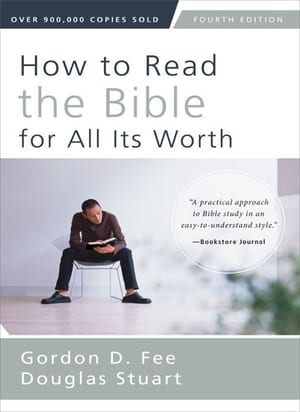
How to Read the Bible for All Its Worth
Gordon Fee & Douglas Stuart
View on Amazon →
Grasping God's Word
J. Scott Duvall & J. Daniel Hays
View on Amazon →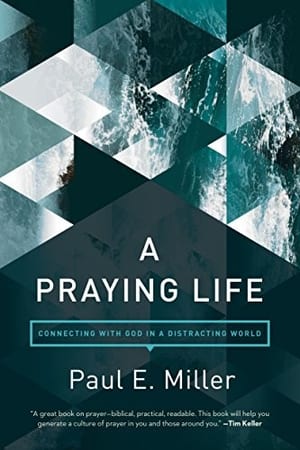
A Praying Life
Paul E. Miller
View on Amazon →
Women of the Word
Jen Wilkin
View on Amazon →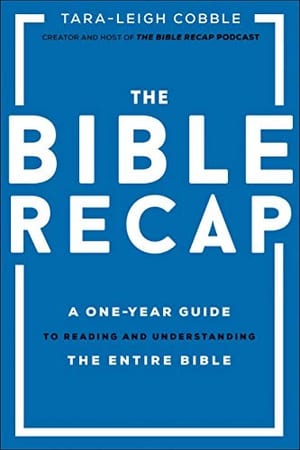
The Bible Recap
Tara-Leigh Cobble
View on Amazon →As an Amazon Associate we earn from qualifying purchases.