How to Pronounce
Rehoboamree-ho-BO-am
Hear the pronunciation of Rehoboam
Click to play audio
Old Testament Reading

The Unfolding Mystery
Edmund P. Clowney
View on Amazon →
According to Plan
Graeme Goldsworthy
View on Amazon →
Introducing the Old Testament
Tremper Longman III
View on Amazon →
God's Big Picture
Vaughan Roberts
View on Amazon →
The Drama of Scripture
Bartholomew & Goheen
View on Amazon →As an Amazon Associate we earn from qualifying purchases.
Pronunciation Video
Watch on YouTube →Meaning
who sets the people at liberty
Historical Context
Rehoboam: The King Who Lost a Kingdom
Rehoboam (ree-ho-BO-am) stands as one of the most consequential names in Old Testament history—not because of what the king accomplished, but because of what he failed to prevent. Understanding how to pronounce Rehoboam correctly helps Bible readers engage more deeply with the narratives of 1 Kings and 2 Chronicles, where his reign marks a pivotal moment in Israel's story.
Etymology and Meaning
The name derives from Hebrew roots: rehab (to enlarge or make wide) and am (people). Rehoboam's name literally means "who sets the people at liberty" or "the people are enlarged"—an ironic designation given his legacy. Rather than enlarging his people's freedom, Rehoboam's poor leadership decisions led to the fracturing of the united kingdom.
Biblical Significance and Historical Context
Rehoboam served as the first king of Judah after the kingdom's division around 931 BCE. He was the son of Solomon, and his reign is recorded primarily in 1 Kings 12 and 2 Chronicles 10–12. When northern tribes requested tax relief at Rehoboam's coronation in Shechem, the young king rejected their plea and threatened even harsher burdens. This catastrophic decision prompted the northern tribes to rebel under Jeroboam, splitting Solomon's united kingdom into the northern kingdom of Israel and the southern kingdom of Judah.
Pronouncing Rehoboam correctly becomes particularly important when teaching about this divisive period, as his name appears repeatedly throughout the historical accounts. The irony embedded in his name—"one who sets the people at liberty"—serves as a reminder of God's sovereignty over human intentions and the consequences of pride and poor counsel.
Why This Matters for Modern Readers
Rehoboam's story illustrates how individual choices affect entire nations. His failure to listen to wise counsel and his arrogant response to legitimate grievances triggered consequences that shaped Israel's entire future. For Bible students and teachers, understanding Rehoboam pronunciation and his historical role deepens comprehension of the Old Testament's broader narrative arc.
How to Read, Study & Pray

How to Read the Bible for All Its Worth
Gordon Fee & Douglas Stuart
View on Amazon →
Grasping God's Word
J. Scott Duvall & J. Daniel Hays
View on Amazon →
A Praying Life
Paul E. Miller
View on Amazon →
Women of the Word
Jen Wilkin
View on Amazon →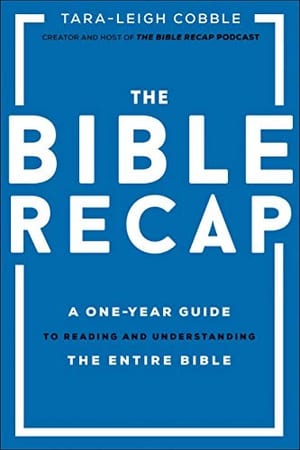
The Bible Recap
Tara-Leigh Cobble
View on Amazon →As an Amazon Associate we earn from qualifying purchases.