How to Pronounce
Megiddomee-GIH-do
Hear the pronunciation of Megiddo
Click to play audio
Old Testament Reading

The Unfolding Mystery
Edmund P. Clowney
View on Amazon →
According to Plan
Graeme Goldsworthy
View on Amazon →
Introducing the Old Testament
Tremper Longman III
View on Amazon →
God's Big Picture
Vaughan Roberts
View on Amazon →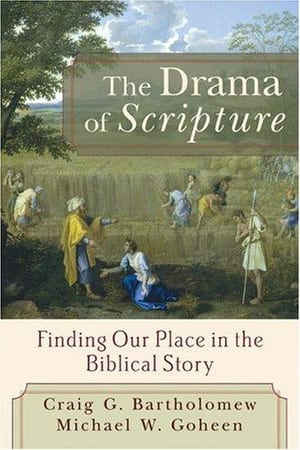
The Drama of Scripture
Bartholomew & Goheen
View on Amazon →As an Amazon Associate we earn from qualifying purchases.
Pronunciation Video
Watch on YouTube →Meaning
his precious fruit; declaring a message
Historical Context
Megiddo: Pronouncing an Ancient City of Prophetic Significance
When you're reading through the book of Revelation or studying Old Testament history, you'll encounter Megiddo—a place name that carries both historical weight and eschatological importance. Learning how to pronounce Megiddo correctly opens the door to understanding one of Scripture's most strategically significant locations.
Pronunciation and Etymology
The correct way of pronouncing Megiddo is mee-GIH-do, with the stress falling on the second syllable. The name derives from Hebrew origins, where it means "his precious fruit" or "declaring a message." This etymological richness reflects the site's importance in both ancient Near Eastern geography and biblical narrative.
Biblical Significance and Strategic Importance
Megiddo was far more than a mere settlement. Located in the Jezreel Valley in northern Israel, it commanded one of the ancient world's most critical trade routes. Multiple biblical accounts reference this location, making Megiddo pronunciation important for anyone studying Scripture seriously.
The city appears throughout the Old Testament in contexts ranging from Solomon's administrative districts (1 Kings 4:12) to military encounters and warnings. King Josiah famously died at Megiddo during a confrontation with Egyptian forces (2 Kings 23:29), an event that shaped Judah's political trajectory.
Megiddo and End Times Prophecy
For many Bible readers, Megiddo's most significant appearance comes in Revelation 16:16, where the Greek term Armageddon literally means "Mountain of Megiddo." This reference connects the ancient battlefield to eschatological prophecy, making pronouncing Megiddo correctly essential for discussing end-times theology.
Archaeological excavations have uncovered multiple layers of occupation at the site, confirming its historical prominence across centuries. For pastors and Bible teachers, understanding both the historical context and the prophetic weight of Megiddo enriches sermon preparation and classroom discussion.
Why This Matters for Your Bible Study
Pronouncing biblical names accurately demonstrates respect for the text and helps you communicate clearly with others in study groups or congregational settings. Megiddo's dual significance—as a real historical location and as a prophetic symbol—makes it worth knowing well.
How to Read, Study & Pray

How to Read the Bible for All Its Worth
Gordon Fee & Douglas Stuart
View on Amazon →
Grasping God's Word
J. Scott Duvall & J. Daniel Hays
View on Amazon →
A Praying Life
Paul E. Miller
View on Amazon →
Women of the Word
Jen Wilkin
View on Amazon →
The Bible Recap
Tara-Leigh Cobble
View on Amazon →As an Amazon Associate we earn from qualifying purchases.