How to Pronounce
JoelDZHO-ehl
Hear the pronunciation of Joel
Click to play audio
Commentaries on This Book
Joel and Amos (Tyndale Old Testament Commentaries)
Tchavdar S. Hadjiev
View on Amazon →
The Message of Joel, Micah & Habakkuk
David Prior
View on Amazon →
Joel, Amos, and Obadiah: A 12-Week Study
Kristofer Holroyd
View on Amazon →As an Amazon Associate we earn from qualifying purchases.
Pronunciation Video
Watch on YouTube →Meaning
he that wills or commands
Historical Context
Joel: Pronunciation and Biblical Meaning
Getting the Joel pronunciation right starts with understanding its Hebrew roots. The name comes from the Hebrew Yo'el (יוֹאֵל), a compound of two elements: Yah (God) and 'el (to will or command). Literally, Joel means "he that wills" or "he that commands," reflecting the idea of God's sovereign will at work through the person who bears the name.
How to Pronounce Joel Correctly
When pronouncing Joel correctly, you'll want to emphasize the first syllable: DZHO-ehl. The initial sound is a soft "dzh" (like the "j" in "judge"), followed by a long "o" sound, then a quick "ehl" ending. This phonetic pattern reflects the original Hebrew, where the name begins with the yodh letter, which carries that distinctive consonant sound.
Joel's Place in Scripture
The most prominent biblical figure named Joel was a prophet during Israel's monarchy. The Book of Joel records his prophetic ministry, particularly his warnings about a devastating locust plague and his call to national repentance. Joel's message in Joel 2:28–32 became especially significant in the New Testament—Peter quoted this passage at Pentecost to explain the outpouring of the Holy Spirit (Acts 2:16–21).
Beyond the prophet, Joel appears elsewhere in Scripture. Samuel's sons included a Joel (1 Samuel 8:2), and several other biblical figures bore this name, indicating its use among both common people and those in leadership.
Why This Name Matters for Bible Readers
Understanding Joel pronunciation matters because this book contains some of Scripture's most quoted prophetic passages about God's Spirit and the end times. When you encounter Joel's name or book in your reading, knowing its meaning—"God commands"—reminds you that the prophet's message came not from personal opinion but from divine authority. The name itself encapsulates the prophet's role: he was God's mouthpiece, speaking what the Almighty commanded.
How to Read, Study & Pray

How to Read the Bible for All Its Worth
Gordon Fee & Douglas Stuart
View on Amazon →
Grasping God's Word
J. Scott Duvall & J. Daniel Hays
View on Amazon →
A Praying Life
Paul E. Miller
View on Amazon →
Women of the Word
Jen Wilkin
View on Amazon →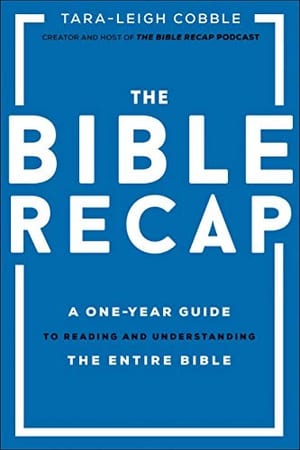
The Bible Recap
Tara-Leigh Cobble
View on Amazon →As an Amazon Associate we earn from qualifying purchases.