How to Pronounce
JoachimDZHO-uh-kihm
Hear the pronunciation of Joachim
Click to play audio
New Testament Reading
Introducing Jesus
Mark L. Strauss
View on Amazon →
Basic Christianity
John Stott
View on Amazon →
The King Jesus Gospel
Scot McKnight
View on Amazon →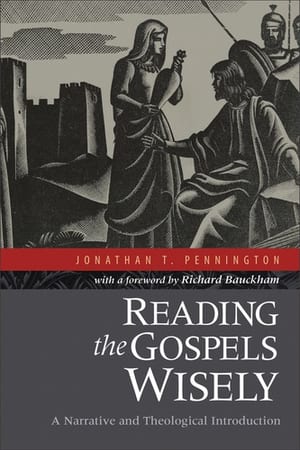
Reading the Gospels Wisely
Jonathan T. Pennington
View on Amazon →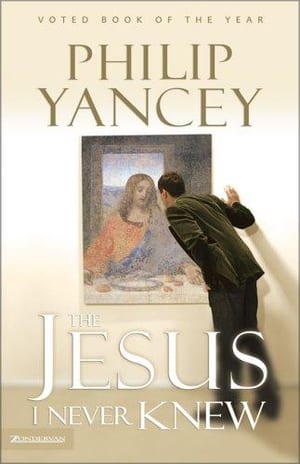
The Jesus I Never Knew
Philip Yancey
View on Amazon →As an Amazon Associate we earn from qualifying purchases.
Pronunciation Video
Watch on YouTube →Historical Context
Joachim: The Father of Mary
How to pronounce Joachim correctly requires understanding its Hebrew roots. The name comes from Yehoyakim, meaning "God will establish" or "the Lord establishes." This etymology reflects the theological significance embedded in the name itself—a declaration of divine stability and purpose.
Where Joachim Appears in Scripture
Interestingly, Joachim does not appear by name in the canonical biblical books. However, Christian tradition—particularly the apocryphal Protoevangelium of James (2nd century)—identifies him as the father of Mary, the mother of Jesus. While his name is absent from Matthew and Luke's nativity accounts, church tradition has honored him as a righteous man who, along with his wife Anne, raised the mother of Christ.
Why Joachim Matters for Bible Readers
Understanding Joachim pronunciation and his role matters because it illustrates how early Christian tradition filled gaps in biblical narrative. Though not scriptural, his veneration in Catholic, Orthodox, and Anglican traditions reflects the importance placed on Mary's lineage and upbringing. The name itself—"God will establish"—carries spiritual weight: it suggests divine providence in the genealogy of Jesus.
For those pronouncing Joachim correctly, the phonetic guide is DZHO-uh-kihm. The opening "dzho" sound may feel unfamiliar to English speakers accustomed to a hard "J," but it reflects the softer Hebrew origin.
Practical Takeaway
Bible teachers and students benefit from knowing Joachim's name and meaning when discussing Mary's background or exploring how extra-biblical tradition shaped Christian devotion. While he stands outside the scriptural canon, his presence in church tradition demonstrates how believers have long sought to honor the family of Jesus beyond what the Gospels explicitly record. Pronouncing his name with confidence helps convey respect for this rich theological heritage.
How to Read, Study & Pray
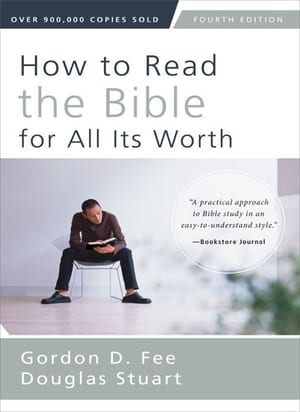
How to Read the Bible for All Its Worth
Gordon Fee & Douglas Stuart
View on Amazon →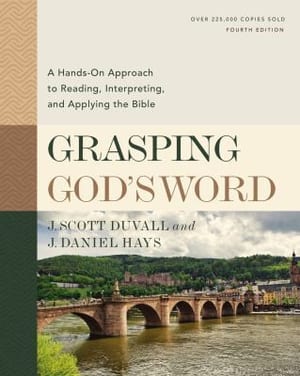
Grasping God's Word
J. Scott Duvall & J. Daniel Hays
View on Amazon →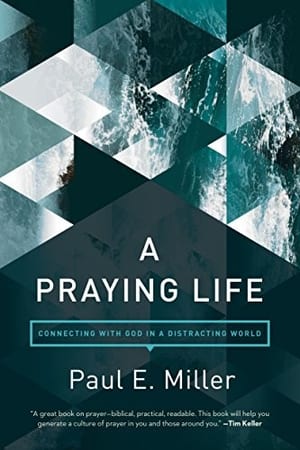
A Praying Life
Paul E. Miller
View on Amazon →
Women of the Word
Jen Wilkin
View on Amazon →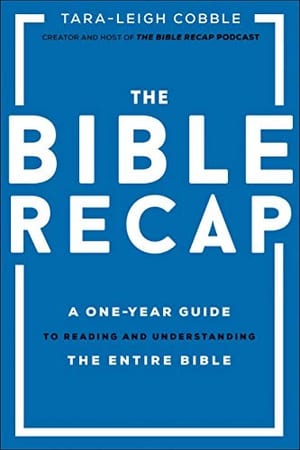
The Bible Recap
Tara-Leigh Cobble
View on Amazon →As an Amazon Associate we earn from qualifying purchases.