How to Pronounce
Jehozadakdzhee-HOZ-uh-dak
Hear the pronunciation of Jehozadak
Click to play audio
Old Testament Reading
The Unfolding Mystery
Edmund P. Clowney
View on Amazon →
According to Plan
Graeme Goldsworthy
View on Amazon →
Introducing the Old Testament
Tremper Longman III
View on Amazon →
God's Big Picture
Vaughan Roberts
View on Amazon →
The Drama of Scripture
Bartholomew & Goheen
View on Amazon →As an Amazon Associate we earn from qualifying purchases.
Pronunciation Video
Watch on YouTube →Meaning
justice of the Lord
Historical Context
Jehozadak: Justice of the Lord
Jehozadak appears in Scripture as a significant yet often overlooked figure in Israel's post-exilic history. Understanding how to pronounce Jehozadak correctly—dzhee-HOZ-uh-dak—helps Bible readers engage more fully with the genealogies and historical narratives of the restoration period.
Etymology and Original Meaning
The name Jehozadak derives from Hebrew roots combining two powerful concepts: Yah (Yahweh, the Lord) and zadak (righteousness or justice). When pronouncing Jehozadak correctly, you're essentially speaking a declaration: "the Lord is righteous" or "justice of the Lord." This theophoric name—one that incorporates the divine name—reflects the Hebrew naming tradition of embedding spiritual truths directly into personal identity.
Who Was Jehozadak?
Jehozadak was the father of Joshua (Jeshua), the high priest who led the restoration of temple worship after the Babylonian exile. He himself served as high priest before the exile but was carried away captive to Babylon. The genealogy in 1 Chronicles 6:14-15 lists him as a crucial link in the priestly line, establishing his legitimacy and importance for post-exilic religious authority.
Biblical Significance
Though Jehozadak never returned from captivity himself, his son Joshua became instrumental in rebuilding the temple and restoring Jewish religious practice. The Jehozadak pronunciation matters because his name appears in key historical passages: 1 Chronicles 6:14, Haggai 1:1, Haggai 1:12, and Zechariah 6:11. In these texts, he's referenced as the father of the high priest, anchoring the post-exilic priestly succession in legitimate genealogy.
For Bible students and teachers, recognizing Jehozadak's role illuminates how God preserved the priestly line through exile and restoration. His name itself—Justice of the Lord—reminds readers that even during captivity and displacement, God's righteous purposes continued. The restoration under his son wasn't accidental; it was divinely orchestrated justice working through legitimate succession and divine promise.
How to Read, Study & Pray

How to Read the Bible for All Its Worth
Gordon Fee & Douglas Stuart
View on Amazon →
Grasping God's Word
J. Scott Duvall & J. Daniel Hays
View on Amazon →
A Praying Life
Paul E. Miller
View on Amazon →
Women of the Word
Jen Wilkin
View on Amazon →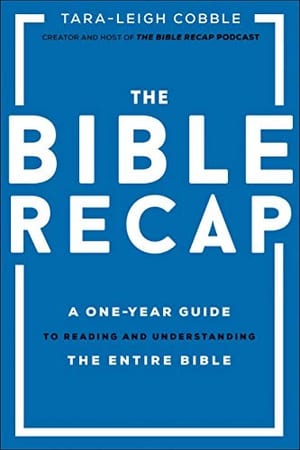
The Bible Recap
Tara-Leigh Cobble
View on Amazon →As an Amazon Associate we earn from qualifying purchases.