How to Pronounce
Jehoiachindzhee-HO-ash
Hear the pronunciation of Jehoiachin
Click to play audio
Old Testament Reading

The Unfolding Mystery
Edmund P. Clowney
View on Amazon →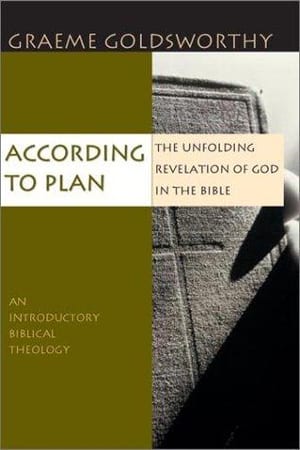
According to Plan
Graeme Goldsworthy
View on Amazon →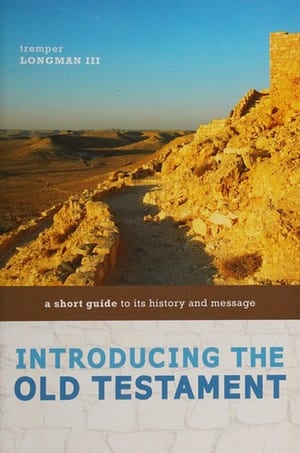
Introducing the Old Testament
Tremper Longman III
View on Amazon →
God's Big Picture
Vaughan Roberts
View on Amazon →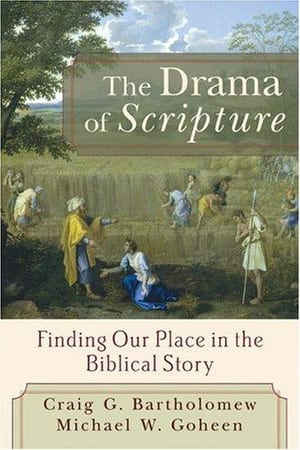
The Drama of Scripture
Bartholomew & Goheen
View on Amazon →As an Amazon Associate we earn from qualifying purchases.
Pronunciation Video
Watch on YouTube →Meaning
preparation, or strength, of the Lord
Historical Context
Jehoiachin: Pronunciation and Meaning
How to pronounce Jehoiachin correctly requires attention to the stress pattern: dzhee-HO-ash. The emphasis falls on the second syllable, and the initial "J" carries a soft "dzh" sound, as in "judge." For Bible readers and teachers, pronouncing Jehoiachin accurately helps maintain clarity when discussing one of Judah's most historically significant—and tragic—kings.
Etymology and Original Language
Jehoiachin's name derives from Hebrew, combining two elements: Yah (referring to God) and akin, meaning "he will establish" or "he will strengthen." The full name thus translates to preparation of the Lord or strength of the Lord—a name that ironically contrasts with the weakness and captivity that defined his reign. Understanding Jehoiachin pronunciation and his name's meaning provides important context for recognizing the theological irony embedded in Scripture's narrative about him.
Who Was Jehoiachin in Scripture?
Jehoiachin ruled Judah for only three months around 598 BCE before the Babylonian siege. He appears prominently in 2 Kings 24:8–17 and 2 Chronicles 36:9–10, where the account describes his youth (he was roughly eighteen when crowned), his evil reign, and his eventual surrender to Nebuchadnezzar. Rather than face prolonged siege, Jehoiachin capitulated, and the Babylonians deported him along with Jerusalem's treasures and leading citizens.
The prophet Jeremiah also references him as Coniah in Jeremiah 22:24–30, pronouncing judgment on his line and declaring that none of his descendants would sit on Judah's throne. Yet surprisingly, 2 Kings 25:27–30 records that Evil-Merodach, Nebuchadnezzar's successor, eventually released Jehoiachin from prison and granted him honor—a glimmer of restoration amid exile.
Why This Matters
Jehoiachin's story illustrates the consequences of unfaithfulness and the complexity of God's judgment. His name promised divine strength, yet his weakness brought captivity. For Bible students seeking to understand pronouncing Jehoiachin correctly within the broader narrative, his account reveals how personal failure and national disobedience intertwine in Scripture's historical record.
How to Read, Study & Pray

How to Read the Bible for All Its Worth
Gordon Fee & Douglas Stuart
View on Amazon →
Grasping God's Word
J. Scott Duvall & J. Daniel Hays
View on Amazon →
A Praying Life
Paul E. Miller
View on Amazon →
Women of the Word
Jen Wilkin
View on Amazon →
The Bible Recap
Tara-Leigh Cobble
View on Amazon →As an Amazon Associate we earn from qualifying purchases.