How to Pronounce
Gehennageh-HEHN-uh
Hear the pronunciation of Gehenna
Click to play audio
New Testament Reading

Introducing Jesus
Mark L. Strauss
View on Amazon →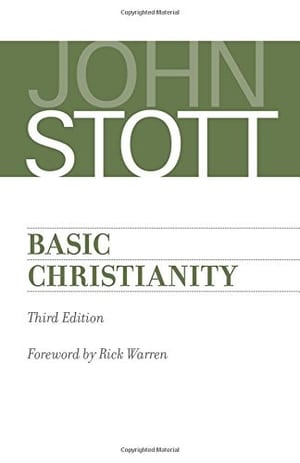
Basic Christianity
John Stott
View on Amazon →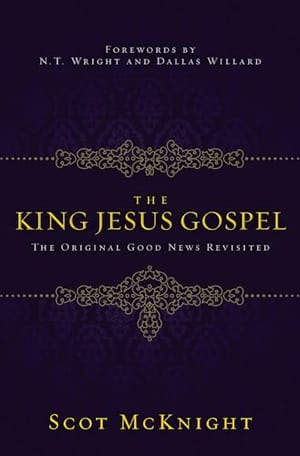
The King Jesus Gospel
Scot McKnight
View on Amazon →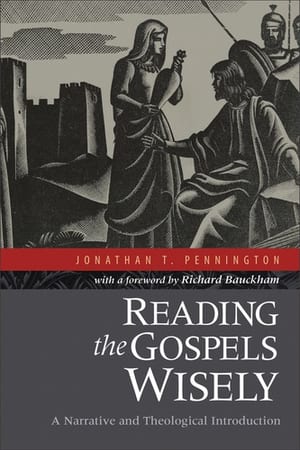
Reading the Gospels Wisely
Jonathan T. Pennington
View on Amazon →
The Jesus I Never Knew
Philip Yancey
View on Amazon →As an Amazon Associate we earn from qualifying purchases.
Pronunciation Video
Watch on YouTube →Historical Context
Gehenna: Pronouncing a Word That Changed How We Talk About Hell
The Gehenna pronunciation is geh-HEHN-uh, and learning to say it correctly opens the door to understanding one of Scripture's most important theological concepts. The word carries weight—both linguistically and spiritually—so getting the cadence right matters when you're teaching or studying the New Testament.
Where the Name Comes From
Gehenna derives from the Hebrew Gai Hinnom, which literally means "Valley of Hinnom." This wasn't just a theological term; it was a real geographical location south of Jerusalem. In Old Testament times, the valley became associated with pagan worship practices—including child sacrifice to the god Molech. Because of these dark practices, the valley eventually became a symbol of divine judgment and destruction.
How Gehenna Appears in Scripture
Jesus uses Gehenna far more frequently than any other biblical author. He mentions it in Matthew 5:22, Matthew 5:29–30, Mark 9:43–48, and Luke 12:5, among other passages. In the Gospels, pronouncing Gehenna correctly becomes essential because Jesus employs it as a metaphor for the ultimate consequence of rejecting God's kingdom. The term appears twelve times in the New Testament, almost exclusively in Jesus's own teachings.
Why This Word Matters for Readers Today
Understanding Gehenna pronunciation and meaning helps Bible students grasp that Jesus wasn't introducing a foreign concept. He was drawing on his audience's existing knowledge of a cursed valley and transforming it into an eschatological image. When you're pronouncing Gehenna correctly in your studies or classes, you're honoring the historical and cultural context that made the metaphor so powerful to first-century Jewish listeners.
Unlike the Greek word Hades (the general underworld), Gehenna specifically represents a place of active destruction and judgment. It's not merely absence but active separation from God's presence. For pastors and teachers, the distinction matters tremendously when explaining biblical eschatology to congregations or students.
How to Read, Study & Pray

How to Read the Bible for All Its Worth
Gordon Fee & Douglas Stuart
View on Amazon →
Grasping God's Word
J. Scott Duvall & J. Daniel Hays
View on Amazon →
A Praying Life
Paul E. Miller
View on Amazon →
Women of the Word
Jen Wilkin
View on Amazon →
The Bible Recap
Tara-Leigh Cobble
View on Amazon →As an Amazon Associate we earn from qualifying purchases.