How to Pronounce
EstherEHS-ter
Hear the pronunciation of Esther
Click to play audio
Commentaries on This Book
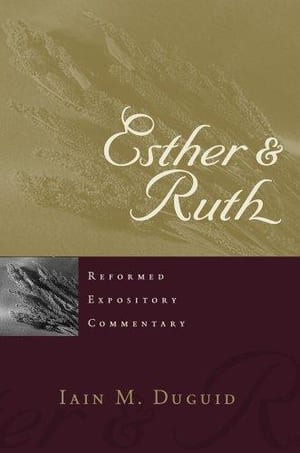
Esther & Ruth (Reformed Expository Commentary)
Iain M. Duguid
View on Amazon →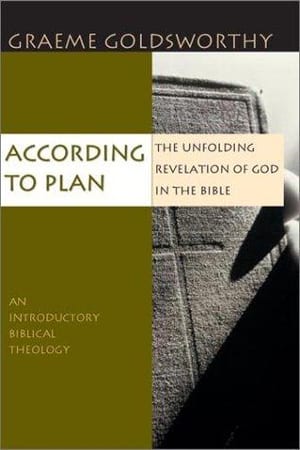
According to Plan
Graeme Goldsworthy
View on Amazon →
God's Big Picture
Vaughan Roberts
View on Amazon →As an Amazon Associate we earn from qualifying purchases.
Pronunciation Video
Watch on YouTube →Meaning
secret; hidden
Historical Context
Esther: The Hidden Queen
The name Esther carries profound significance in biblical history, yet its origins reveal an intriguing linguistic mystery. In Hebrew, her birth name was Hadassah (meaning "myrtle"), but the name by which she became famous—Esther—likely derives from the Persian word star or possibly from the Akkadian Ishtar, the goddess of love and war. However, Jewish tradition connects it to the Hebrew root meaning "secret" or "hidden," a fitting etymology given the hidden identity that defined her remarkable life.
Pronouncing Esther Correctly
For those learning how to pronounce Esther properly, the correct pronunciation is EHS-ter. The first syllable rhymes with "fresh," and the second syllable sounds like "ter" in "butter." This straightforward two-syllable pronunciation applies whether you're reading the book aloud in a church setting or studying it privately.
Biblical Significance and Scripture
Esther's story unfolds in the Book of Esther, the only biblical book that never explicitly mentions God's name. Yet His providence runs throughout her narrative. A Jewish orphan raised by her cousin Mordecai in the Persian empire, Esther became queen after impressing King Ahasuerus. When the wicked Haman plotted to destroy all Jews in the kingdom, Esther risked her life by approaching the king unbidden—an act that could have meant death—to reveal the conspiracy and save her people.
Her courage in chapters 7–8 transformed her from a hidden, vulnerable position to a deliverer of her nation. The Jewish festival of Purim commemorates this deliverance, celebrating how God worked through Esther's bravery and wisdom.
Why Esther Matters Today
Understanding Esther's pronunciation and meaning enriches Bible study by connecting the name to her character: she was "hidden" as a Jewish woman in a foreign court, yet became the unlikely instrument of salvation for her people. For pastors and teachers, pronouncing Esther correctly sets a respectful tone when sharing her inspiring account of faith, courage, and divine providence with their congregations.
How to Read, Study & Pray

How to Read the Bible for All Its Worth
Gordon Fee & Douglas Stuart
View on Amazon →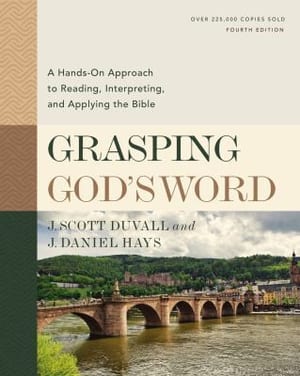
Grasping God's Word
J. Scott Duvall & J. Daniel Hays
View on Amazon →
A Praying Life
Paul E. Miller
View on Amazon →
Women of the Word
Jen Wilkin
View on Amazon →
The Bible Recap
Tara-Leigh Cobble
View on Amazon →As an Amazon Associate we earn from qualifying purchases.