How to Pronounce
Erastusee-RAS-tuhs
Hear the pronunciation of Erastus
Click to play audio
New Testament Reading

Introducing Jesus
Mark L. Strauss
View on Amazon →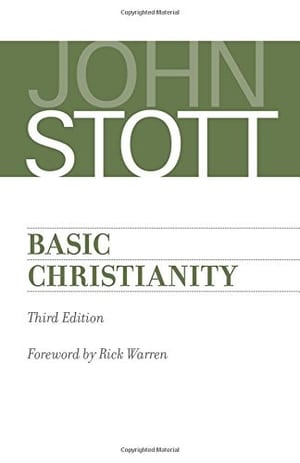
Basic Christianity
John Stott
View on Amazon →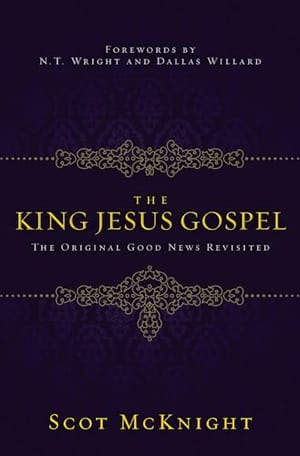
The King Jesus Gospel
Scot McKnight
View on Amazon →
Reading the Gospels Wisely
Jonathan T. Pennington
View on Amazon →
The Jesus I Never Knew
Philip Yancey
View on Amazon →As an Amazon Associate we earn from qualifying purchases.
Pronunciation Video
Watch on YouTube →Meaning
lovely, amiable
Historical Context
Erastus: A Name of Favor in the Early Church
The name Erastus (pronounced ee-RAS-tuhs) comes from the Greek word erastos, which literally means "lovely" or "amiable." This Greek origin reflects the positive character traits the name conveyed in the ancient world—qualities of charm, affection, and social grace. Understanding how to pronounce Erastus correctly helps Bible readers appreciate both the linguistic beauty and the historical weight this name carried in New Testament circles.
Where Erastus Appears in Scripture
Erastus surfaces in the New Testament as a trusted associate of the Apostle Paul. He appears in three distinct passages: Acts 19:22, where Paul sends Erastus and Timothy to Macedonia while he remains in Ephesus; 2 Timothy 4:20, where Paul mentions that Erastus stayed behind in Corinth; and Romans 16:23, where Erastus is described as "the city treasurer" of Corinth, adding significant detail to his social standing.
The fact that Erastus held an official municipal position makes him unique among Paul's companions. He wasn't merely a traveling missionary or household helper—he was a city official with administrative responsibilities, suggesting he was both educated and well-connected in Corinthian society.
Why Erastus Matters for Bible Readers
Pronouncing Erastus correctly is more than a pronunciation exercise; it's a doorway into understanding early church dynamics. Erastus represents the kind of person Christ's movement attracted: someone of social influence and means who chose to support the gospel. His name meaning—"lovely" or "amiable"—aligns with the character Paul would have valued in his coworkers, especially someone functioning as both a civic leader and a Christian helper.
For pastors and Bible teachers, Erastus illustrates that the early church wasn't composed solely of the poor or marginalized. Wealthy, influential people played vital roles in establishing congregations and sustaining Paul's missionary work. His dual identity—city treasurer by day, gospel partner by calling—speaks to the integration of faith into everyday professional life, a theme that resonates powerfully with modern believers navigating similar terrain.
How to Read, Study & Pray

How to Read the Bible for All Its Worth
Gordon Fee & Douglas Stuart
View on Amazon →
Grasping God's Word
J. Scott Duvall & J. Daniel Hays
View on Amazon →
A Praying Life
Paul E. Miller
View on Amazon →
Women of the Word
Jen Wilkin
View on Amazon →
The Bible Recap
Tara-Leigh Cobble
View on Amazon →As an Amazon Associate we earn from qualifying purchases.