How to Pronounce
EphraimiteEE-fray-ihm-ait
Hear the pronunciation of Ephraimite
Click to play audio
Old Testament Reading

The Unfolding Mystery
Edmund P. Clowney
View on Amazon →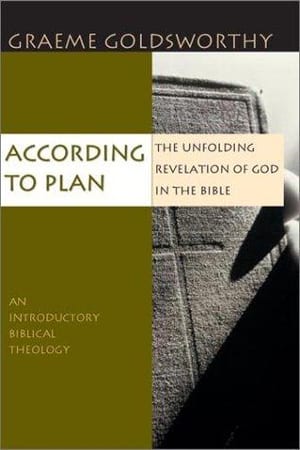
According to Plan
Graeme Goldsworthy
View on Amazon →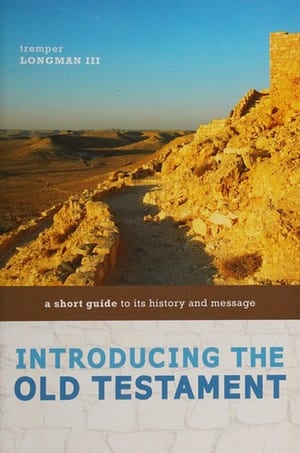
Introducing the Old Testament
Tremper Longman III
View on Amazon →
God's Big Picture
Vaughan Roberts
View on Amazon →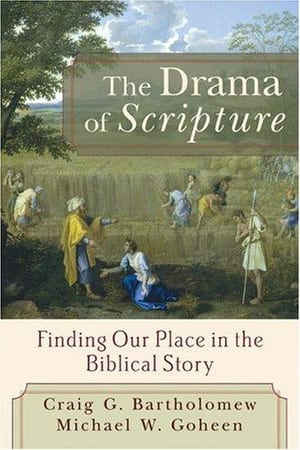
The Drama of Scripture
Bartholomew & Goheen
View on Amazon →As an Amazon Associate we earn from qualifying purchases.
Pronunciation Video
Watch on YouTube →Historical Context
Ephraimite
Pronunciation: EE-fray-ihm-ait
Etymology and Original Meaning
The term "Ephraimite" comes from Ephraim, a Hebrew name meaning "doubly fruitful" or "double ash heap," derived from the root words ephrayim (פְרַיִם). Ephraimite refers to a member of the tribe of Ephraim, one of the twelve tribes of Israel. Understanding how to pronounce Ephraimite correctly—with emphasis on the first syllable (EE-fray-ihm-ait)—helps readers grasp biblical genealogies and tribal histories with greater confidence.
Biblical Significance and Tribal Identity
Ephraim was the younger son of Joseph and Asenath, born in Egypt during the famine. Though younger, Jacob blessed Ephraim above his older brother Manasseh (Genesis 48), making the tribe exceptionally prominent in Israel's northern kingdom. Ephraimites inherited land in central Canaan and became one of the most influential tribes in Israel's history.
The tribe's importance is reflected throughout Scripture. During the judges' period, Ephraimites fought alongside Gideon (Judges 7:24) and Jephthah (Judges 12:1-6). The city of Shiloh, where Israel's tabernacle stood during the early settlement period, was located in Ephraimite territory.
Where Ephraimites Appear in Scripture
Pronouncing Ephraimite correctly becomes especially useful when reading accounts of tribal conflicts and the divided monarchy. First Samuel 1:1 introduces Samuel as an Ephraimite. The term appears frequently in judges' narratives and in accounts of the northern kingdom of Israel, where Ephraim essentially became synonymous with the entire kingdom after the division of Solomon's realm.
Why This Matters for Bible Readers
For pastors, teachers, and serious Bible students, Ephraimite pronunciation matters because these tribal distinctions shape biblical narratives about leadership, prophecy, and national identity. When Jeroboam I established the northern kingdom, it was fundamentally an Ephraimite-led state. Understanding this tribal background illuminates why prophets like Hosea directed their messages specifically toward Ephraim, and why the tribe's eventual exile carried such theological weight in Israel's story.
How to Read, Study & Pray

How to Read the Bible for All Its Worth
Gordon Fee & Douglas Stuart
View on Amazon →
Grasping God's Word
J. Scott Duvall & J. Daniel Hays
View on Amazon →
A Praying Life
Paul E. Miller
View on Amazon →
Women of the Word
Jen Wilkin
View on Amazon →
The Bible Recap
Tara-Leigh Cobble
View on Amazon →As an Amazon Associate we earn from qualifying purchases.