How to Pronounce
Elymaisehl-ih-MAY-ihs
Hear the pronunciation of Elymais
Click to play audio
Recommended Reading

How to Read the Bible for All Its Worth
Gordon Fee & Douglas Stuart
View on Amazon →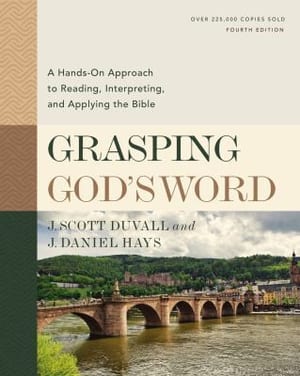
Grasping God's Word
J. Scott Duvall & J. Daniel Hays
View on Amazon →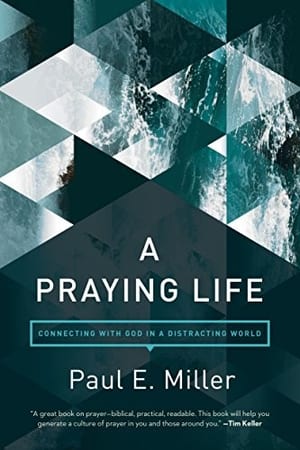
A Praying Life
Paul E. Miller
View on Amazon →
Women of the Word
Jen Wilkin
View on Amazon →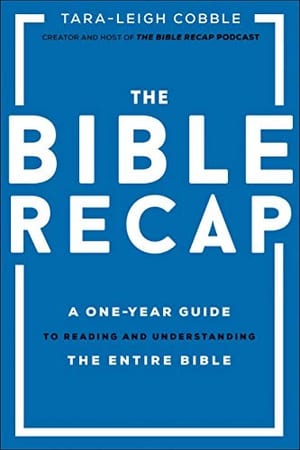
The Bible Recap
Tara-Leigh Cobble
View on Amazon →As an Amazon Associate we earn from qualifying purchases.
Pronunciation Video
Watch on YouTube →Historical Context
Elymais: Pronouncing an Ancient Biblical Region
Learning how to pronounce Elymais correctly opens a window into the geographical and political landscape of the ancient Near East. The word itself derives from a Greek term referring to a mountainous region in southwestern Persia (modern-day Iran), known for its rugged terrain and strategic location along trade routes.
Etymology and Original Language
Elymais comes from the Greek Elymaïs, which identified the Elymean region. The name has roots in ancient Persian geography, referring to the Zagros Mountains area. When pronouncing Elymais correctly, remember the accent falls on the final syllable: ehl-ih-MAY-ihs. This three-syllable pronunciation reflects the Greek form found in biblical manuscripts.
Biblical Significance and Scripture Reference
Elymais appears in only one biblical passage: 1 Maccabees 6:1–4. In this text, the Seleucid king Antiochus IV Epiphanes attempts to plunder the temples of Elymais to finance his military campaigns and cover his debts. The passage describes how he sent a commander named Lysias to collect tribute from the region, highlighting its wealth and importance during the Hellenistic period.
Though located outside the traditional boundaries of Israel and Judah, Elymais mattered significantly to Jewish history. The region's mention in 1 Maccabees illustrates the broader geopolitical tensions that affected Jewish communities during the second century BCE, when Seleucid rulers dominated the eastern Mediterranean and beyond.
Why Elymais Pronunciation Matters for Bible Readers
Properly understanding Elymais pronunciation helps readers grasp the historical context of the Maccabean period. When studying this era, knowing where Elymais was located and how to say its name correctly allows you to follow the narrative of Jewish resistance under Seleucid rule more clearly.
For pastors and Bible teachers, accurate Elymais pronunciation ensures confident delivery when discussing the intertestamental period—the four-hundred-year span between the Old and New Testaments. This region's mention reminds us that biblical history extended far beyond Jerusalem's walls, encompassing a complex web of empires, trade, and cultural interaction.
How to Read, Study & Pray
How to Read the Bible for All Its Worth
Gordon Fee & Douglas Stuart
View on Amazon →Grasping God's Word
J. Scott Duvall & J. Daniel Hays
View on Amazon →A Praying Life
Paul E. Miller
View on Amazon →Women of the Word
Jen Wilkin
View on Amazon →The Bible Recap
Tara-Leigh Cobble
View on Amazon →As an Amazon Associate we earn from qualifying purchases.