How to Pronounce
Colossaeko-LAH-see or koh-LOSS-ee
Hear the pronunciation of Colossae
Click to play audio
New Testament Reading
Introducing Jesus
Mark L. Strauss
View on Amazon →
Basic Christianity
John Stott
View on Amazon →
The King Jesus Gospel
Scot McKnight
View on Amazon →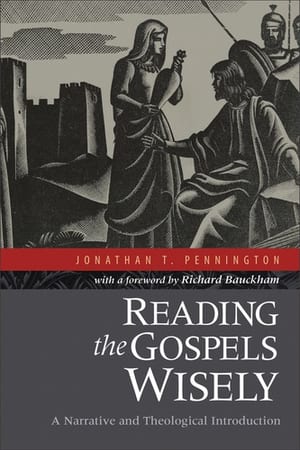
Reading the Gospels Wisely
Jonathan T. Pennington
View on Amazon →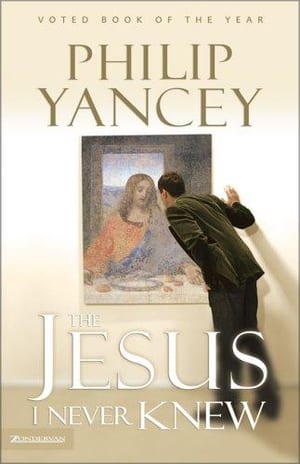
The Jesus I Never Knew
Philip Yancey
View on Amazon →As an Amazon Associate we earn from qualifying purchases.
Pronunciation Video
Watch on YouTube →Historical Context
Colossae: Ancient City of Asia Minor
Colossae was a significant city in the Roman province of Asia (modern-day Turkey), located in the Lycus River valley of Phrygia. The city's name likely derives from Greek roots meaning "power" or "might," though scholars debate the precise etymology. Understanding how to pronounce Colossae correctly—ko-LAH-see or koh-LOSS-ee—helps Bible readers engage more confidently with New Testament references to this important early Christian community.
Biblical Significance and Location
Colossae appears primarily in Paul's letter to the Colossians, written around AD 60–62 while Paul was imprisoned in Rome. Though Paul had never personally visited the city, he wrote to address theological errors creeping into the church there. The letter emphasizes the supremacy of Christ and warns against false teachings that mixed Jewish legalism with pagan philosophy—issues directly relevant to Colossae's multicultural population.
The city sat roughly 100 miles east of Ephesus and shared the Lycus valley with two other towns: Laodicea and Hierapolis. All three communities received Paul's pastoral attention, though only the Colossian letter survives in Scripture.
Why Colossae Matters for Bible Study
Pronouncing Colossae correctly opens deeper engagement with Colossians, one of Paul's most theologically rich epistles. The letter addresses the Colossae church's struggles with syncretism—blending Christian faith with cultural and philosophical compromise. Paul's response, centering on Christ's preeminence, speaks directly to modern Christians facing similar pressures.
Historically, Colossae declined in importance after the first century, eventually abandoned and lost to history until archaeological rediscovery in the 19th century. Its disappearance contrasts sharply with Laodicea's continued prominence, making the church's struggle against false doctrine all the more poignant—Paul's warnings proved spiritually vital for a community facing extinction.
For pastors, teachers, and Bible students, mastering the Colossae pronunciation and understanding its historical context enriches sermon preparation and personal study of Paul's epistles. The city's story reminds us that theological faithfulness matters, especially when cultural pressures tempt believers away from Christ's sufficiency.
How to Read, Study & Pray
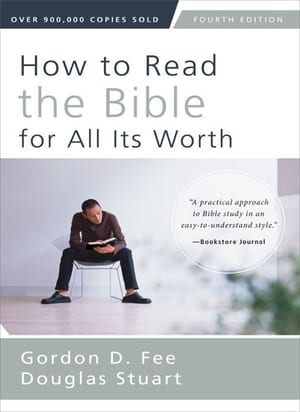
How to Read the Bible for All Its Worth
Gordon Fee & Douglas Stuart
View on Amazon →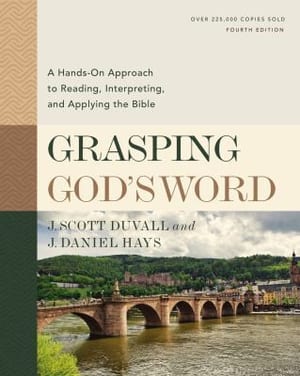
Grasping God's Word
J. Scott Duvall & J. Daniel Hays
View on Amazon →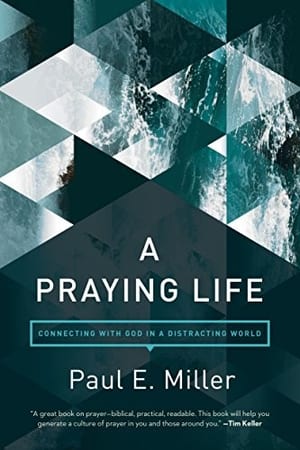
A Praying Life
Paul E. Miller
View on Amazon →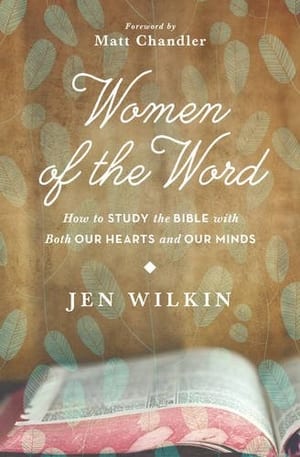
Women of the Word
Jen Wilkin
View on Amazon →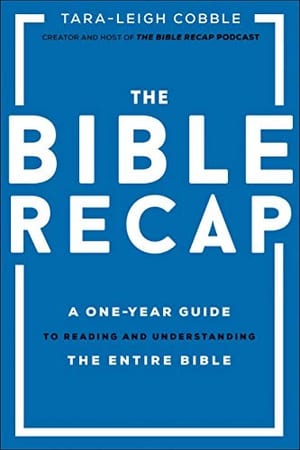
The Bible Recap
Tara-Leigh Cobble
View on Amazon →As an Amazon Associate we earn from qualifying purchases.