How to Pronounce
ChroniclesKRAH-nih-kulz
Hear the pronunciation of Chronicles
Click to play audio
Commentaries on This Book
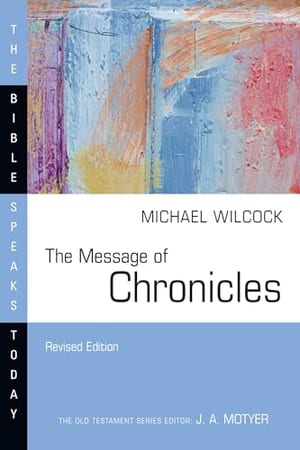
The Message of Chronicles
Michael Wilcock
View on Amazon →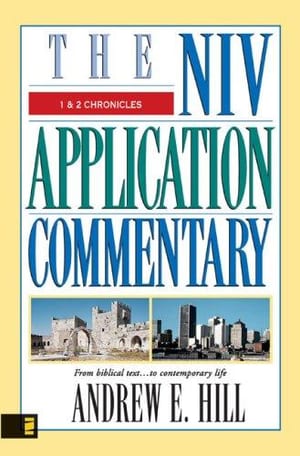
1 and 2 Chronicles (NIV Application Commentary)
Andrew E. Hill
View on Amazon →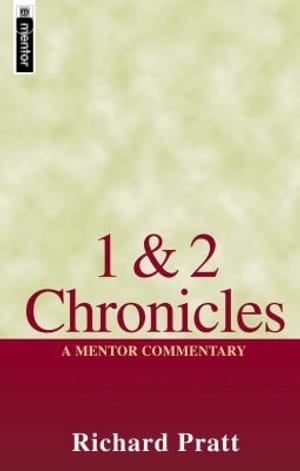
1 & 2 Chronicles: A Mentor Commentary
Richard L. Pratt Jr.
View on Amazon →As an Amazon Associate we earn from qualifying purchases.
Pronunciation Video
Watch on YouTube →Historical Context
Chronicles: A Record of Kings and Kingdoms
Chronicles comes from the Greek word chronika, meaning "a record of events in time order." The Hebrew title, Divrei Hayamim, literally translates to "the words (or events) of the days," emphasizing its function as a historical chronicle rather than mere genealogy. Understanding how to pronounce Chronicles correctly—KRAH-nih-kulz—helps Bible readers reference these important Old Testament books with confidence.
The Books of Chronicles in Scripture
The Old Testament contains two books bearing this name: 1 Chronicles and 2 Chronicles, appearing near the end of the Hebrew Bible. While many readers skip these books, pronouncing Chronicles and engaging with their content reveals rich theological and historical material. The first book opens with Adam's genealogy and traces Israel's lineage through David's reign, while 2 Chronicles details the Southern Kingdom of Judah from Solomon through the Babylonian exile.
Why Chronicles Matters
Chronicles pronunciation might seem minor, but the books themselves are major. They retell much of Samuel and Kings' narratives but with a distinct theological lens—emphasizing the temple, worship, and God's covenant with David's dynasty. The Chronicler repeatedly highlights religious reform and proper worship practices, showing that history itself is theology.
For pastors and teachers, pronouncing Chronicles correctly opens access to unique genealogical records, detailed temple descriptions, and accounts found nowhere else in Scripture. For instance, 1 Chronicles 12 lists the mighty men who supported David, while 2 Chronicles contains exclusive material about King Hezekiah's reforms (2 Chronicles 29–31).
A Scholar's Perspective
The Books of Chronicles were likely compiled during the post-exilic period, offering returning Israelites a renewed sense of identity and continuity with their past. Rather than presenting a bare historical record, the Chronicler interprets Israel's history through a spiritual framework—demonstrating how obedience brings blessing and disobedience brings judgment.
When you encounter references to Chronicles in Bible study, knowing how to pronounce it confidently enhances both classroom discussions and personal study. These two books deserve attention as essential witnesses to God's faithfulness across generations.
How to Read, Study & Pray

How to Read the Bible for All Its Worth
Gordon Fee & Douglas Stuart
View on Amazon →
Grasping God's Word
J. Scott Duvall & J. Daniel Hays
View on Amazon →
A Praying Life
Paul E. Miller
View on Amazon →
Women of the Word
Jen Wilkin
View on Amazon →
The Bible Recap
Tara-Leigh Cobble
View on Amazon →As an Amazon Associate we earn from qualifying purchases.