How to Pronounce
CephasSEE-fuhs
Hear the pronunciation of Cephas
Click to play audio
New Testament Reading

Introducing Jesus
Mark L. Strauss
View on Amazon →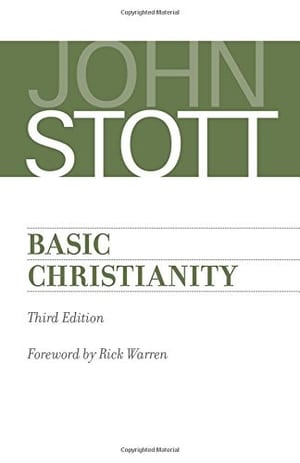
Basic Christianity
John Stott
View on Amazon →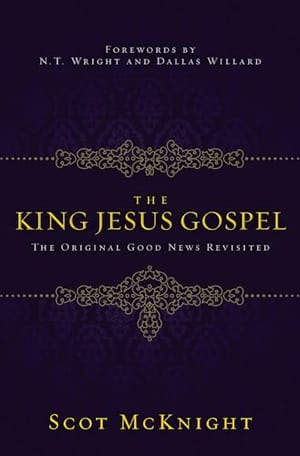
The King Jesus Gospel
Scot McKnight
View on Amazon →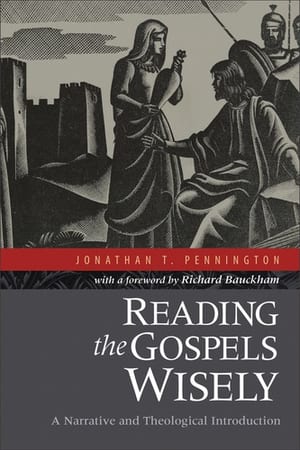
Reading the Gospels Wisely
Jonathan T. Pennington
View on Amazon →
The Jesus I Never Knew
Philip Yancey
View on Amazon →As an Amazon Associate we earn from qualifying purchases.
Pronunciation Video
Watch on YouTube →Meaning
a rock or stone
Historical Context
Cephas: The Aramaic Name Behind Peter's Rock
When you encounter the name Cephas in your Bible, you're looking at an Aramaic word that Jesus himself spoke. The Cephas pronunciation is straightforward: SEE-fuhs. But understanding this name requires stepping into the cultural and linguistic world of first-century Judea, where Aramaic was the everyday language of Jesus and his disciples.
Origin and Meaning
Cephas comes directly from the Aramaic kepha, meaning "a rock" or "a stone." This wasn't merely a descriptive term—it carried intentional symbolism. When Jesus gave Simon this name, recorded in John 1:42, he was making a deliberate statement about identity and purpose. The Greek equivalent, Petros (from which we get "Peter"), carries the same meaning, though Cephas preserves the original Aramaic that Jesus spoke.
Biblical Significance and Scripture References
How to pronounce Cephas correctly matters when you're reading passages where both names appear. You'll find Cephas used primarily in Paul's letters—particularly in 1 Corinthians 1:12, 3:22, 9:5, and 15:5, where Paul references the apostle by his Aramaic name. This choice wasn't accidental; Paul may have used it to emphasize the apostle's foundational role in the Jerusalem church.
The name also appears in Galatians 2:9 and 2:11, where Paul discusses his interactions with "Cephas" regarding key theological disputes. John's Gospel uses both Cephas and Peter, sometimes within the same passage, highlighting how these names were used interchangeably in the early church.
Why This Matters for Bible Readers
Pronouncing Cephas correctly helps you recognize that you're reading about the same person across different Gospel accounts and epistles. More importantly, understanding the rock metaphor illuminates Jesus's intention: he was establishing Peter as a foundational figure in building his church. The name itself—whether spoken as Cephas in Aramaic or Petros in Greek—carried theological weight that resonated throughout the early Christian movement.
How to Read, Study & Pray

How to Read the Bible for All Its Worth
Gordon Fee & Douglas Stuart
View on Amazon →
Grasping God's Word
J. Scott Duvall & J. Daniel Hays
View on Amazon →
A Praying Life
Paul E. Miller
View on Amazon →
Women of the Word
Jen Wilkin
View on Amazon →
The Bible Recap
Tara-Leigh Cobble
View on Amazon →As an Amazon Associate we earn from qualifying purchases.