How to Pronounce
Ceciliasuh-SEEL-yuh
Hear the pronunciation of Cecilia
Click to play audio
New Testament Reading
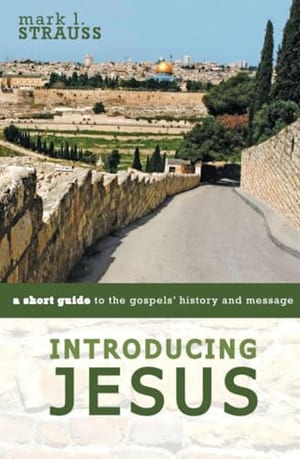
Introducing Jesus
Mark L. Strauss
View on Amazon →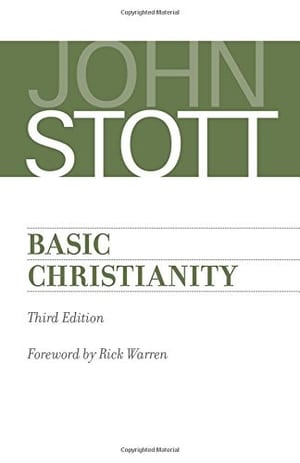
Basic Christianity
John Stott
View on Amazon →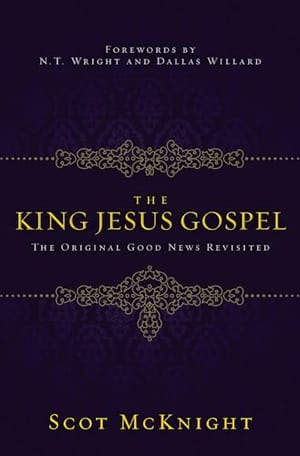
The King Jesus Gospel
Scot McKnight
View on Amazon →
Reading the Gospels Wisely
Jonathan T. Pennington
View on Amazon →
The Jesus I Never Knew
Philip Yancey
View on Amazon →As an Amazon Associate we earn from qualifying purchases.
Pronunciation Video
Watch on YouTube →Meaning
The name Cecilia carries a distinctly Roman heritage, though it appears sparingly in English Bible translations. Learning how to pronounce Cecilia correctly—suh-SEEL-yuh—helps Bible readers and scholars engage confidently with this classical name when encountered in historical or devotional contexts.
Historical Context
Cecilia: Pronunciation and Biblical Meaning
The name Cecilia carries a distinctly Roman heritage, though it appears sparingly in English Bible translations. Learning how to pronounce Cecilia correctly—suh-SEEL-yuh—helps Bible readers and scholars engage confidently with this classical name when encountered in historical or devotional contexts.
Etymology and Original Language
Cecilia derives from the Latin Cæcilius, which itself comes from the Roman family name Caecilius. The root likely connects to the Latin word caecus, meaning "blind." While the etymology suggests blindness, the name became associated with spiritual insight rather than physical limitation—a reversal of meaning that often occurs in religious tradition.
Where Cecilia Appears in Scripture
Cecilia does not appear by name in the canonical biblical text. However, the name gained prominence in Christian tradition through Saint Cecilia, a martyr whose story developed in early church history. Though her account appears in apocryphal and devotional literature rather than scripture itself, her legacy profoundly influenced Christian culture and naming practices.
Why Cecilia Matters for Bible Readers
Understanding the Cecilia pronunciation and its origins matters because many Bible students encounter this name in historical commentaries, theological works, and devotional literature about early Christian martyrs. Saint Cecilia became the patroness of music and musicians, a connection that shaped medieval and Renaissance Christian art and thought.
For pastors and teachers, pronouncing Cecilia correctly demonstrates respect when discussing historical figures who influenced biblical interpretation and Christian tradition. The name represents the bridge between classical Roman culture and emerging Christian identity—a crucial context for understanding the New Testament world.
While Cecilia herself appears outside the biblical canon, her story illustrates how names and traditions shaped Christian communities in the centuries following apostolic times. Knowing how to pronounce biblical and post-biblical names with accuracy strengthens your credibility as an educator and deepens your listeners' engagement with Scripture's broader historical context.
How to Read, Study & Pray

How to Read the Bible for All Its Worth
Gordon Fee & Douglas Stuart
View on Amazon →
Grasping God's Word
J. Scott Duvall & J. Daniel Hays
View on Amazon →
A Praying Life
Paul E. Miller
View on Amazon →
Women of the Word
Jen Wilkin
View on Amazon →
The Bible Recap
Tara-Leigh Cobble
View on Amazon →As an Amazon Associate we earn from qualifying purchases.