How to Pronounce
BabylonBAB-ih-luhn
Hear the pronunciation of Babylon
Click to play audio
Old Testament Reading
The Unfolding Mystery
Edmund P. Clowney
View on Amazon →
According to Plan
Graeme Goldsworthy
View on Amazon →
Introducing the Old Testament
Tremper Longman III
View on Amazon →
God's Big Picture
Vaughan Roberts
View on Amazon →
The Drama of Scripture
Bartholomew & Goheen
View on Amazon →As an Amazon Associate we earn from qualifying purchases.
Pronunciation Video
Watch on YouTube →Meaning
same as Babel, confusion; mixture
Historical Context
Babylon: The City of Confusion
The name Babylon derives from the Akkadian Bab-ilu, meaning "Gate of God," though the Bible connects it to the Hebrew word Babel, meaning "confusion." This etymological connection appears deliberately in Genesis 11:9, where the Tower of Babel narrative explains the name through the scattering of human language. Understanding how to pronounce Babylon correctly—BAB-ih-luhn—helps Bible readers engage more confidently with one of Scripture's most significant ancient powers.
Biblical Significance and Historical Role
Babylon appears throughout Scripture as a symbol of human pride, worldly power, and opposition to God's kingdom. The city served as the capital of the Babylonian Empire under rulers like Nebuchadnezzar II, who conquered Jerusalem in 586 BC and deported the Jewish people into exile. This catastrophic event shapes much of the Old Testament's latter prophetic books.
The book of Daniel, set during the Babylonian exile, features King Nebuchadnezzar's encounters with God through Daniel and his companions. Pronouncing Babylon correctly becomes especially useful when reading these accounts aloud in churches and study groups.
Babylon in Prophecy and the New Testament
Beyond historical narratives, Babylon symbolizes spiritual opposition to God's purposes. The prophet Isaiah devoted chapters to Babylon's fall (Isaiah 13–14), while Jeremiah pronounced judgment against it (Jeremiah 50–51). In the New Testament, the book of Revelation uses "Babylon" as a metaphor for a corrupt, God-opposing world system (Revelation 14:8, 16:19, 17–18).
Peter's first epistle also references "Babylon" (1 Peter 5:13), likely referring to Rome, indicating how early Christians applied this symbolic meaning to their own era.
Why This Matters for Bible Readers
Grasping Babylon's dual nature—as both a historical empire and a theological symbol—enriches biblical interpretation. The city represents human achievement apart from God, making its repeated collapse in Scripture a powerful theological statement. For pastors and teachers, pronouncing Babylon with confidence while explaining its layered significance strengthens teaching credibility and student engagement with these profound biblical themes.
How to Read, Study & Pray

How to Read the Bible for All Its Worth
Gordon Fee & Douglas Stuart
View on Amazon →
Grasping God's Word
J. Scott Duvall & J. Daniel Hays
View on Amazon →
A Praying Life
Paul E. Miller
View on Amazon →
Women of the Word
Jen Wilkin
View on Amazon →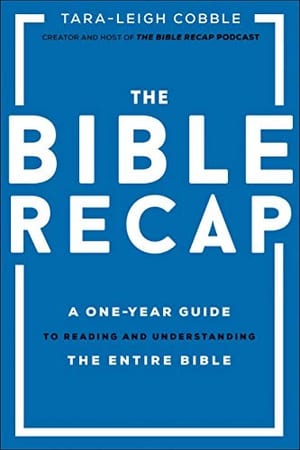
The Bible Recap
Tara-Leigh Cobble
View on Amazon →As an Amazon Associate we earn from qualifying purchases.