How to Pronounce
Apollosuh-PAH-luhs
Hear the pronunciation of Apollos
Click to play audio
New Testament Reading
Introducing Jesus
Mark L. Strauss
View on Amazon →
Basic Christianity
John Stott
View on Amazon →
The King Jesus Gospel
Scot McKnight
View on Amazon →
Reading the Gospels Wisely
Jonathan T. Pennington
View on Amazon →
The Jesus I Never Knew
Philip Yancey
View on Amazon →As an Amazon Associate we earn from qualifying purchases.
Pronunciation Video
Watch on YouTube →Meaning
one who destroys; destroyer
Historical Context
Apollos: Pronouncing a Name of Eloquence
When you encounter Apollos in the New Testament, you're reading a name rooted in Greek culture and mythology. The Apollos pronunciation is straightforward: uh-PAH-luhs. The name derives from Apollo, the Greek god of music, prophecy, and healing, and carries the meaning "one who destroys" or "destroyer"—a reference to Apollo's role as a god of plague and divine judgment.
Who Was Apollos in Scripture?
Apollos appears primarily in the New Testament as a Jewish Christian teacher and evangelist. He's first mentioned in Acts 18:24-28, where Luke describes him as "an eloquent man, competent in the scriptures." A native of Alexandria, Egypt, Apollos was known for his powerful preaching and thorough knowledge of the Old Testament. Though initially he knew only the baptism of John, Priscilla and Aquila instructed him more accurately in the way of Jesus.
Understanding how to pronounce Apollos correctly helps when discussing his significant role in the early church. Paul later mentions him in 1 Corinthians, where the apostle addresses divisions in the Corinthian church, some members claiming loyalty to Apollos while others followed Paul. This reference reveals how respected and influential Apollos had become as a teacher.
Why This Name Matters
Pronouncing Apollos accurately is more than a linguistic exercise—it connects readers to the Greco-Roman world of early Christianity. The name reminds us that the gospel spread through diverse cultural contexts, carried by gifted teachers like Apollos who bridged Jewish knowledge with Greek eloquence.
For Bible students, recognizing Apollos pronunciation opens doors to understanding 1 Corinthians 3:4-6, where Paul discusses spiritual maturity and warns against elevating human teachers above Christ. Apollos himself exemplified humility; despite his gifts, he remained a servant of the gospel alongside Paul and others.
Whether you're preparing a sermon, teaching a Bible study, or simply reading through Acts, getting Apollos pronunciation right—uh-PAH-luhs—helps you engage authentically with Scripture's historical narrative and the vibrant personalities who shaped the early church.
How to Read, Study & Pray

How to Read the Bible for All Its Worth
Gordon Fee & Douglas Stuart
View on Amazon →
Grasping God's Word
J. Scott Duvall & J. Daniel Hays
View on Amazon →
A Praying Life
Paul E. Miller
View on Amazon →
Women of the Word
Jen Wilkin
View on Amazon →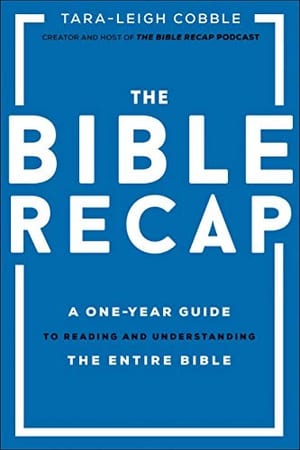
The Bible Recap
Tara-Leigh Cobble
View on Amazon →As an Amazon Associate we earn from qualifying purchases.